Meal planning is often framed as a tool for control—something rigid, restrictive, and short-lived. It is frequently tied to “starting over,” especially at the beginning of the year or after the holidays. But in Mediterranean cultures, meal planning is not about perfection or discipline. It is about rhythm.
In Greece, meals follow a natural cadence shaped by seasonality, availability, and tradition. The goal is not to eat “clean” for a few weeks, but to eat consistently well over a lifetime. Food is nourishing, satisfying, and pleasurable, even during busy or celebratory seasons.
This perspective makes the Mediterranean diet uniquely well suited for long-term wellness. It prioritizes legumes, vegetables, olive oil, grains, and shared meals—elements that support both physical health and emotional balance.
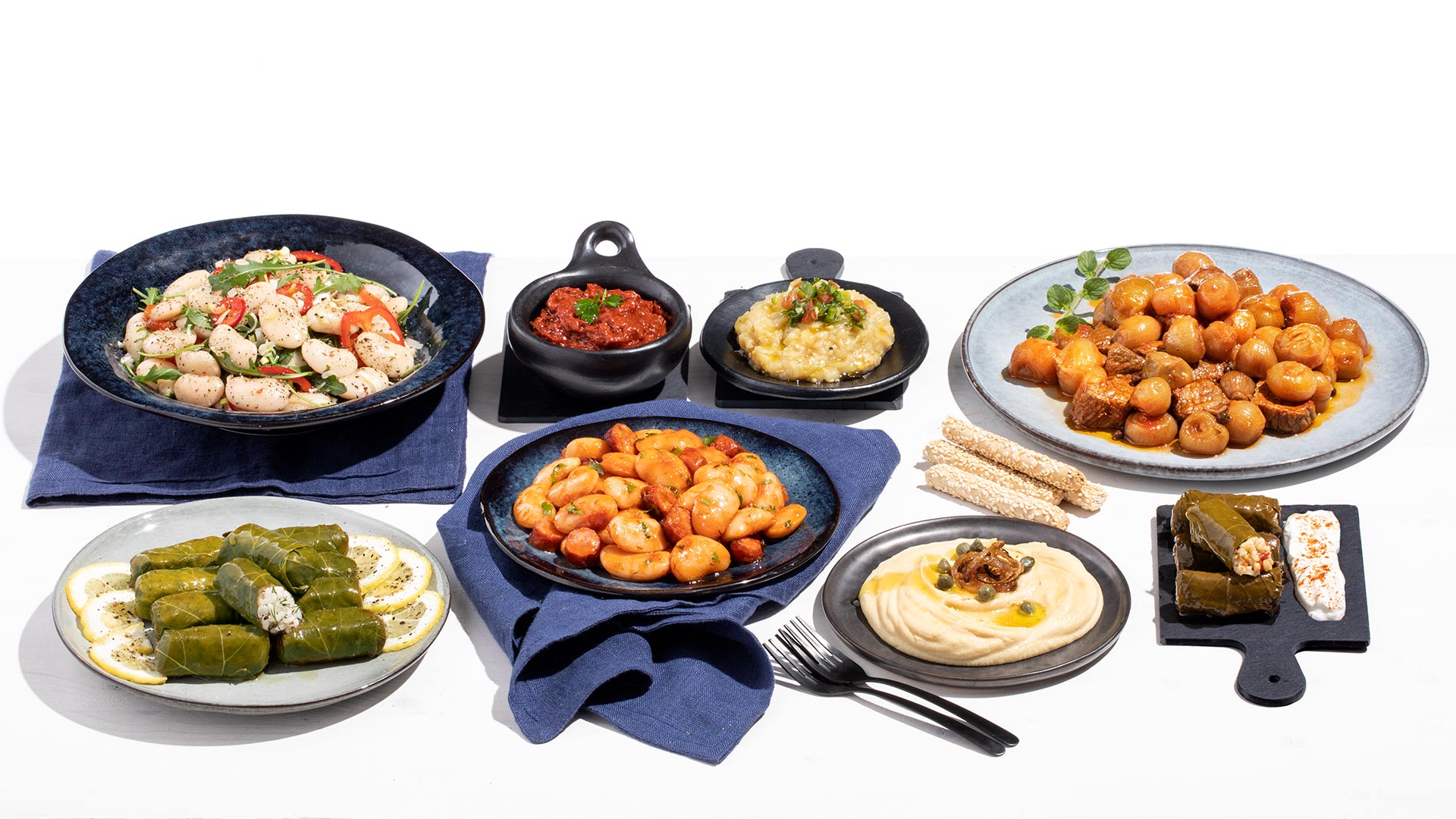
With authentically prepared, ready-to-serve dishes like
Paliria Greek Island Chickpeas,
Paliria Giant Beans in Tomato Sauce,
Paliria Fava Spread,
Paliria Greek Style Eggplants, and
Paliria Stuffed Vine Leaves,
Mediterranean meal planning becomes approachable, flexible, and deeply nourishing—no matter how full your calendar may be.
The Mediterranean diet is often described as one of the healthiest ways of eating in the world. But its success lies not in strict guidelines—it lies in its adaptability.
Rather than focusing on specific macronutrient targets or elimination rules, Mediterranean eating emphasizes:
– Whole, minimally processed foods
– Plant-forward meals
– Olive oil as the primary fat
– Legumes as essential proteins
– Vegetables at every meal
– Balanced portions
– Meals enjoyed slowly and socially
This approach removes the pressure to “get it right” every day. Instead, it encourages consistency over time, which is the true driver of wellness.
Mediterranean meal planning is effective because it mirrors how people actually eat—not how they aspire to eat for a short period.
It Encourages Repetition Without Boredom
Greek households often rotate the same core dishes weekly, changing herbs, sides, or serving styles rather than reinventing meals daily.
It Reduces Decision Fatigue
When a few staple dishes anchor the week, meals require less mental effort.
It Supports Digestion and Energy
Meals built around legumes, vegetables, and olive oil provide steady energy without spikes or crashes.
It Is Flexible by Design
There is room for social meals, celebrations, and spontaneous choices without guilt.
Legumes are central to Mediterranean cooking, particularly in Greece. Beans, chickpeas, and split peas appear regularly in soups, stews, salads, and spreads.
Dishes like Paliria Giant Beans in Tomato Sauce and Paliria Greek Island Chickpeas offer:
– Plant-based protein
– High dietary fiber
– Essential minerals
– Long-lasting satiety
Because legumes are both filling and versatile, they serve as ideal anchors for weekly meals.
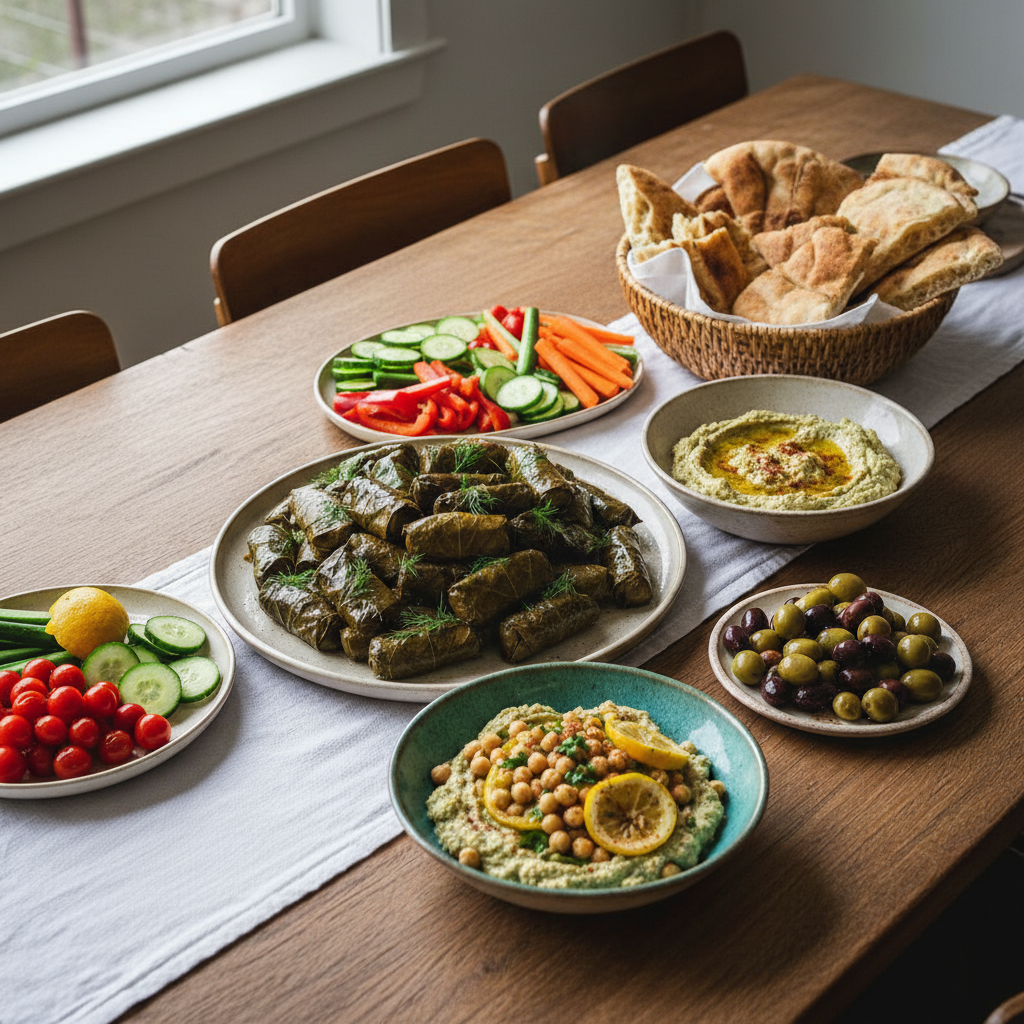
Instead of planning every recipe in advance, Mediterranean meal planning relies on components that can be mixed and matched.
A balanced Mediterranean meal typically includes:
– A legume or vegetable-based main
– One or two vegetable sides
– A grain or bread
– Olive oil and herbs for flavor
– Citrus or acidity for brightness
This structure allows meals to feel complete without complexity.
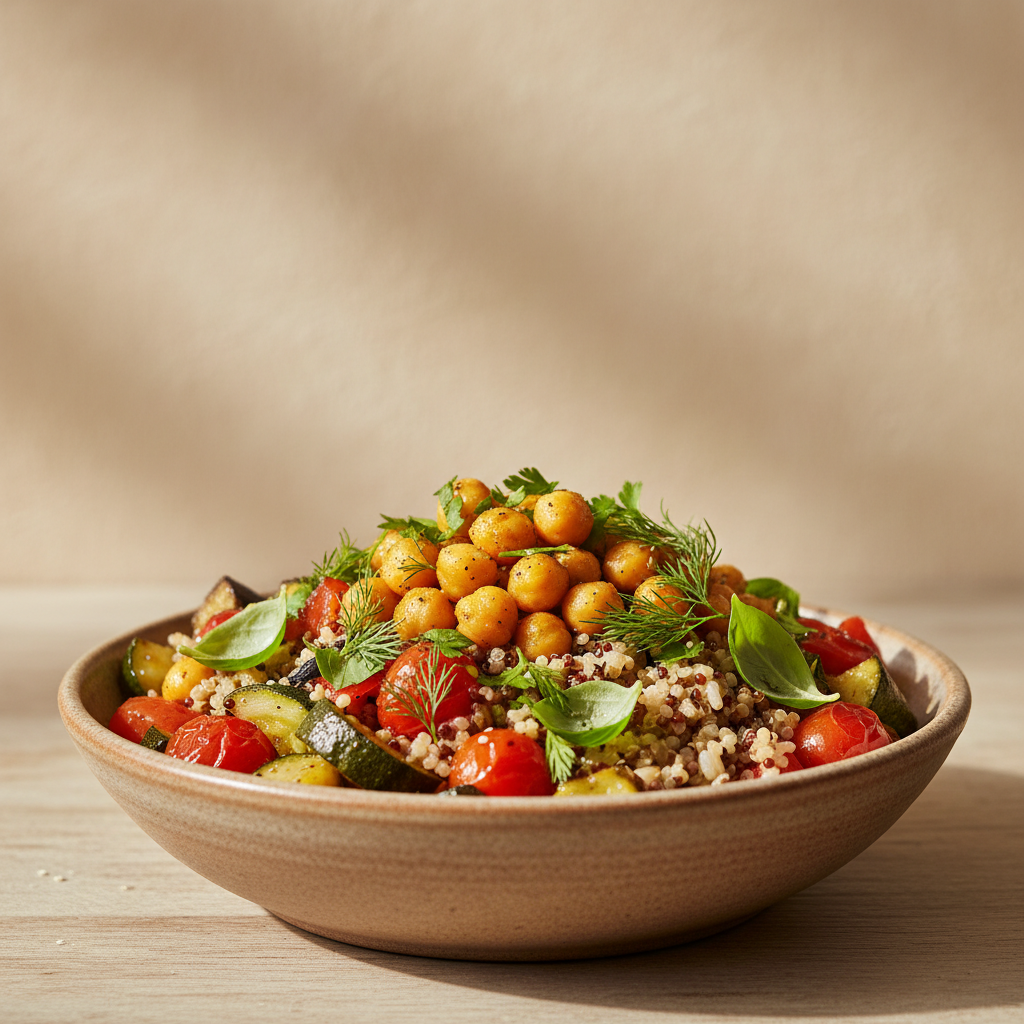
Below is a realistic, flexible meal plan built around Paliria products. These meals can be prepared quickly and adapted based on appetite, schedule, or leftovers.
Day 1: Warming and Grounding
Dinner:
Paliria Greek Island Chickpeas served warm with sautéed leafy greens and olive oil.
Add whole-grain bread or rice for a complete meal.
Why it works:
Slow-cooked chickpeas provide warmth, protein, and comfort—ideal for winter evenings.
Day 2: Hearty and Satisfying
Lunch or Dinner:
Paliria Giant Beans in Tomato Sauce paired with a simple salad of cucumber, tomato, and herbs.
Why it works:
This dish feels substantial while remaining plant-based and balanced.
Day 3: Mezze-Inspired Simplicity
Dinner:
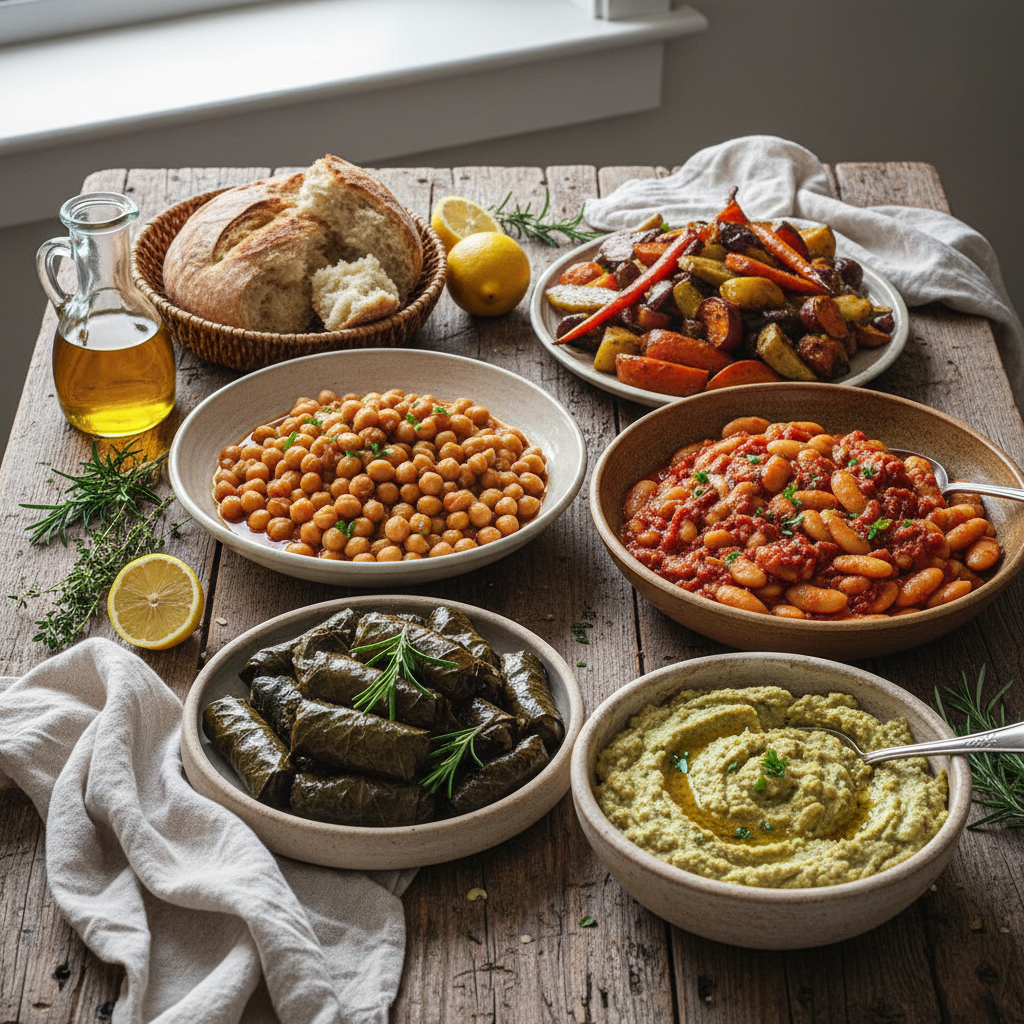
A mezze-style plate featuring:
Paliria Stuffed Vine Leaves
Paliria Fava Spread
Fresh vegetables, olives, and bread
Why it works:
Mezze-style meals reduce prep time and encourage mindful eating.
Day 4: Vegetable-Forward Comfort
Lunch or Dinner:
Paliria Greek Style Eggplants served over rice, bulgur, or alongside roasted vegetables.
Why it works:
Slow-cooked vegetables provide depth and satisfaction without heaviness.
Day 5: Flexible and Intuitive
Meal:
Combine leftovers creatively—beans with greens, eggplants with grains, or fava as a spread for sandwiches or toast.
Why it works:
Mediterranean eating values adaptability over strict schedules.
To maintain consistency, it helps to simplify the process even further.
Keep a Short List of Staples
Rather than planning dozens of meals, rotate a handful of trusted dishes weekly.
Use Ready-to-Serve Anchors
Paliria dishes eliminate prep time while preserving authenticity.
Repeat Meals Without Guilt
Repetition is a feature, not a flaw, of Mediterranean eating.
Leave Space for Flexibility
Allow meals to shift based on appetite, social plans, or seasonal availability.
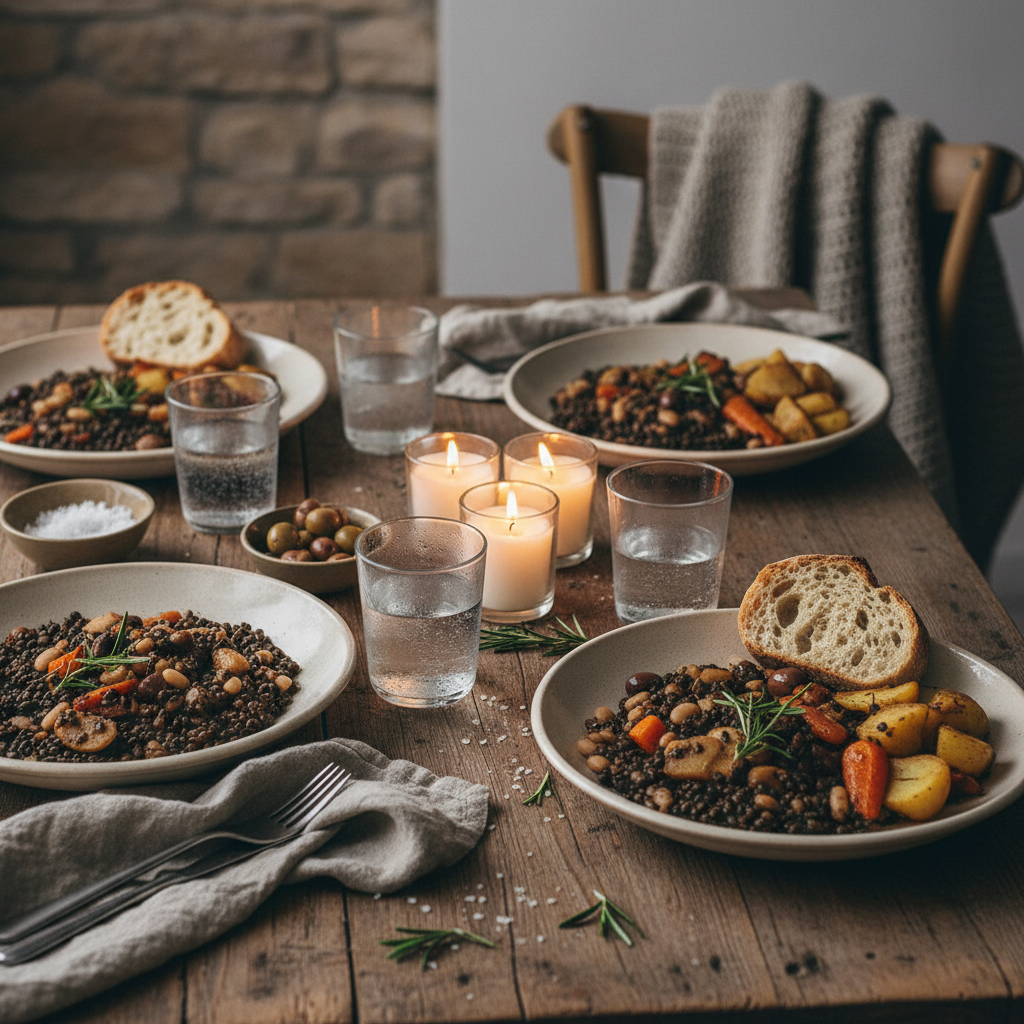
Mediterranean meal planning is particularly valuable during holidays or high-stress periods.
Instead of abandoning routines, this approach encourages:
– Lighter meals before or after social gatherings
– Vegetable-forward dinners following heavier celebrations
– Shared mezze instead of elaborate feasts
– Nourishing foods that support digestion and energy
This balance helps maintain wellness without disruption.
Traditional Greek cooking often requires time—long simmering, careful preparation, and planning. Paliria preserves these traditions while adapting them for modern life.
Each dish is prepared in Greece using time-honored recipes, allowing you to enjoy authentic Mediterranean flavors with minimal effort. This makes consistent, plant-forward eating possible even on the busiest weeks.
Is the Mediterranean diet vegetarian or vegan?
It is primarily plant-forward, though not exclusively vegetarian. Many traditional dishes, including those from Paliria, are fully plant-based.
Do I need to plan every meal in advance?
No. Mediterranean meal planning works best with loose structure and flexibility.
Can these meals be used for meal prep?
Yes. Paliria dishes store and reheat well, making them ideal for planning ahead.
What sides pair well with Paliria dishes?
Salads, grains, vegetables, bread, citrus, and herbs all complement Mediterranean meals.
Mediterranean meal planning offers an alternative to short-term resets and rigid food rules. It emphasizes nourishment, consistency, and pleasure—values that support long-term wellness rather than quick fixes.
With dependable staples like
Paliria Greek Island Chickpeas,
Paliria Giant Beans in Tomato Sauce,
Paliria Fava Spread,
Paliria Greek Style Eggplants, and
Paliria Stuffed Vine Leaves,
eating well becomes a natural part of daily life—during the holidays, in January, and beyond.
This is not a plan to follow for a season. It is a way of eating designed to last.