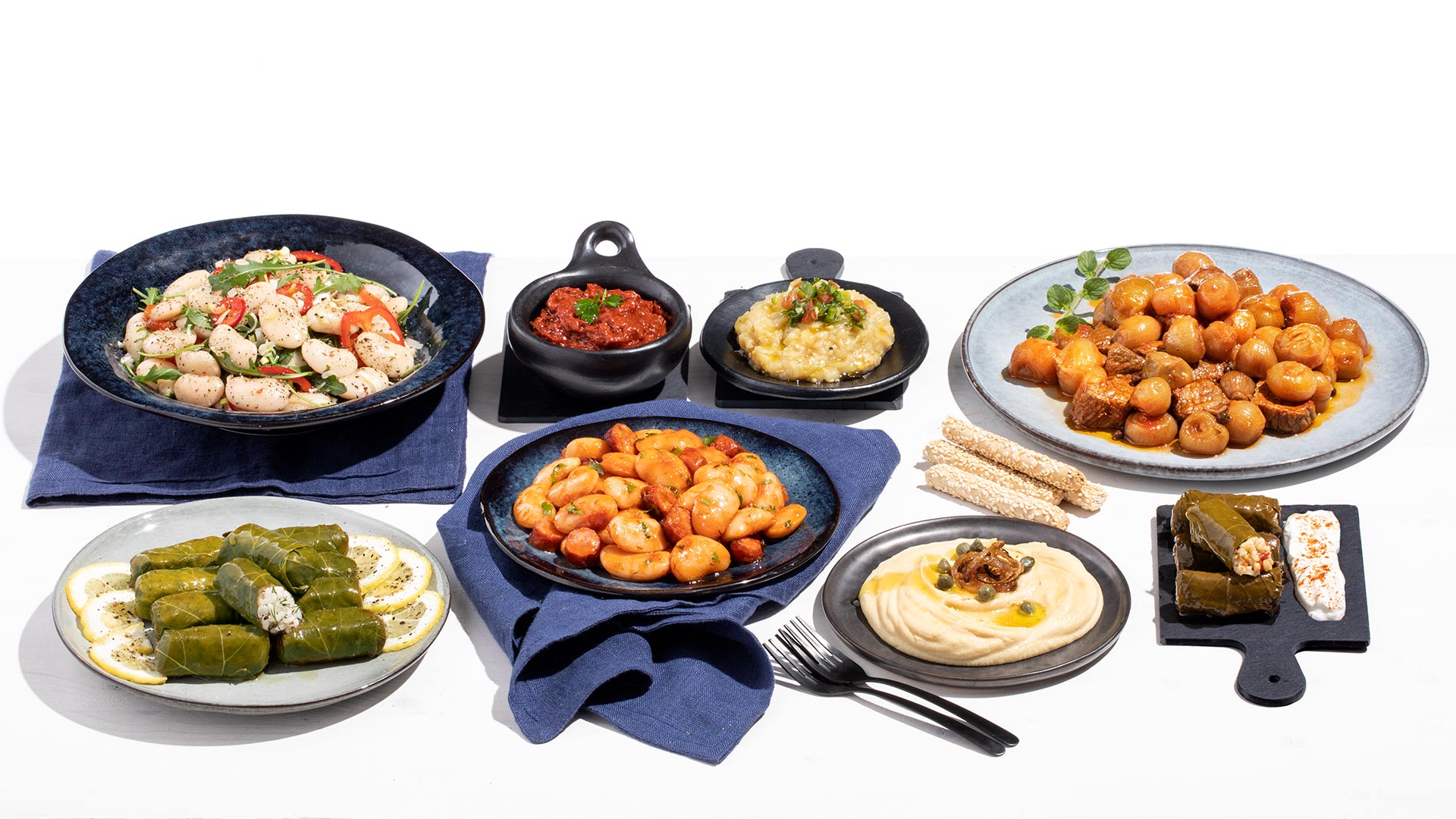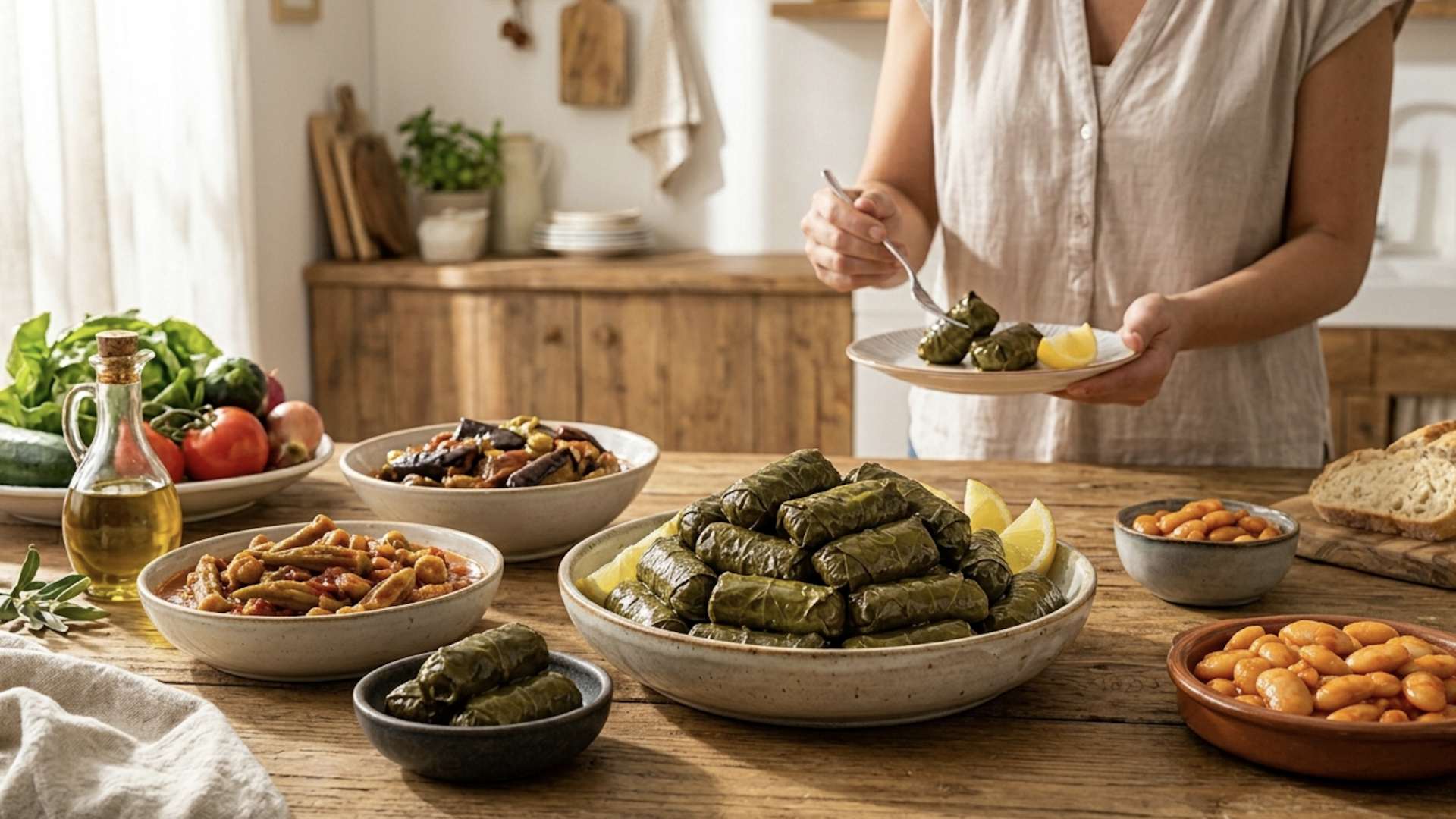
Easter, or Pascha, is the most significant and vibrant celebration in the Greek calendar. It is a time when the spiritual meets the seasonal, marking both the resurrection and the undeniable arrival of spring. In Greece, this time of year brings blooming flowers and the familiar aromas of traditional dishes being prepared for Easter gatherings.
Bringing these deep-rooted traditions into your own home is a beautiful way to celebrate the season of renewal. Whether you are of Greek heritage or simply a lover of Mediterranean culture, hosting a Greek-inspired Easter feast is about more than just the menu—it is about the spirit of togetherness, the joy of the outdoors, and the abundance of the earth. In this guide, we will explore how to incorporate authentic Mediterranean flavors—from hand-wrapped vine leaves to savory legumes—into a festive spring table using the premium offerings from Paliria.
The journey to the Greek Easter table is one of anticipation. Following the forty days of Lent, the Easter Sunday feast represents a triumphant return to indulgence and community. In Greek households, this transition is celebrated with an abundance of “small plates” or mezze, which serve as the opening act to the main celebration.
For the modern host, capturing this authentic experience requires a balance of tradition and convenience. Since 1957, Paliria has been at the forefront of preserving these culinary traditions. By choosing Paliria’s authentic ready-to-eat meals, you can honor the heritage of the Greek table with dishes that have been crafted using the same care and high-quality ingredients you would find in a traditional village kitchen.
In Greece, the Easter table is never empty. From the moment guests arrive, they are greeted with a variety of textures and flavors designed to stimulate the appetite and spark conversation.
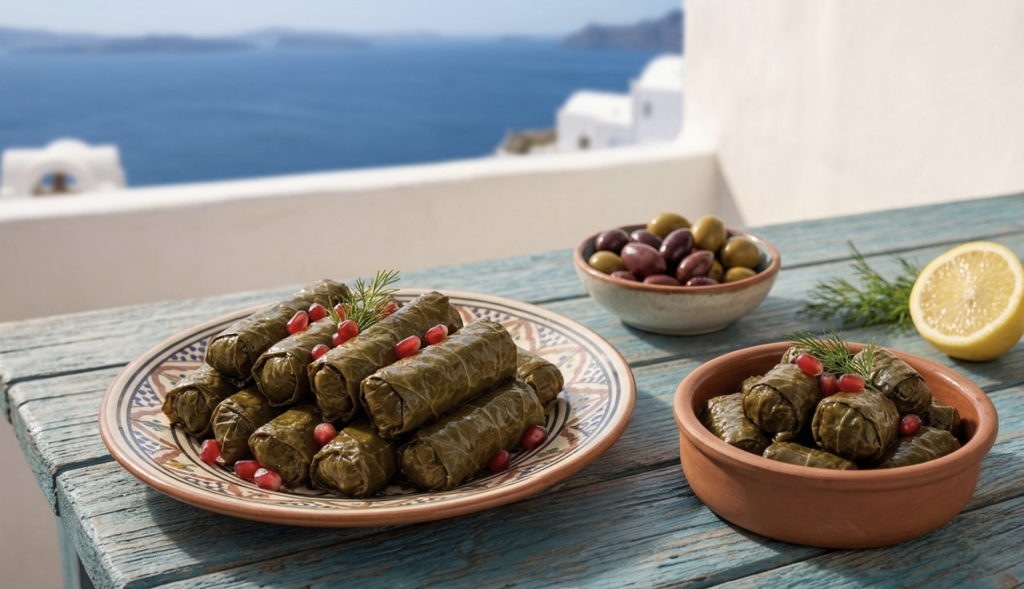
No Easter spread is complete without the iconic dolma. These represent the very essence of spring, as they are traditionally made with the first tender leaves of the vine.
Paliria Dolmas (Stuffed Vine Leaves with Rice) are the gold standard for this tradition. Each leaf is hand-wrapped around a fragrant filling of rice, dill, and mint.
Easter Tradition: Arrange your dolmas on a platter interspersed with red-dyed eggs (the traditional Greek kokkina avga). The contrast between the vibrant red eggs and the deep green vine leaves creates a stunning, festive visual for your Easter table.
To provide your guests with a variety of flavors, include Paliria Sweet & Spicy Dolmas. These offer a gentle heat and a complex sweetness that serves as a wonderful conversation starter, bridging the gap between traditional heritage and modern Mediterranean cuisine.
After the dietary restrictions of Lent, the Easter table celebrates the versatility of the Mediterranean diet. Legumes are a cornerstone of this celebration, providing heartiness and nutrition to the festive spread.
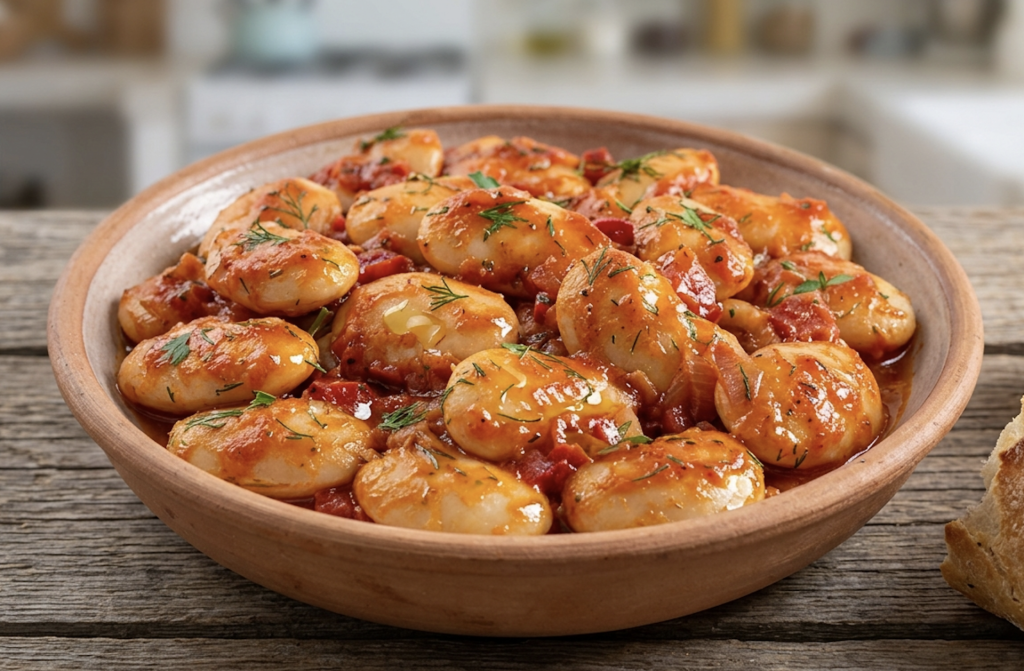
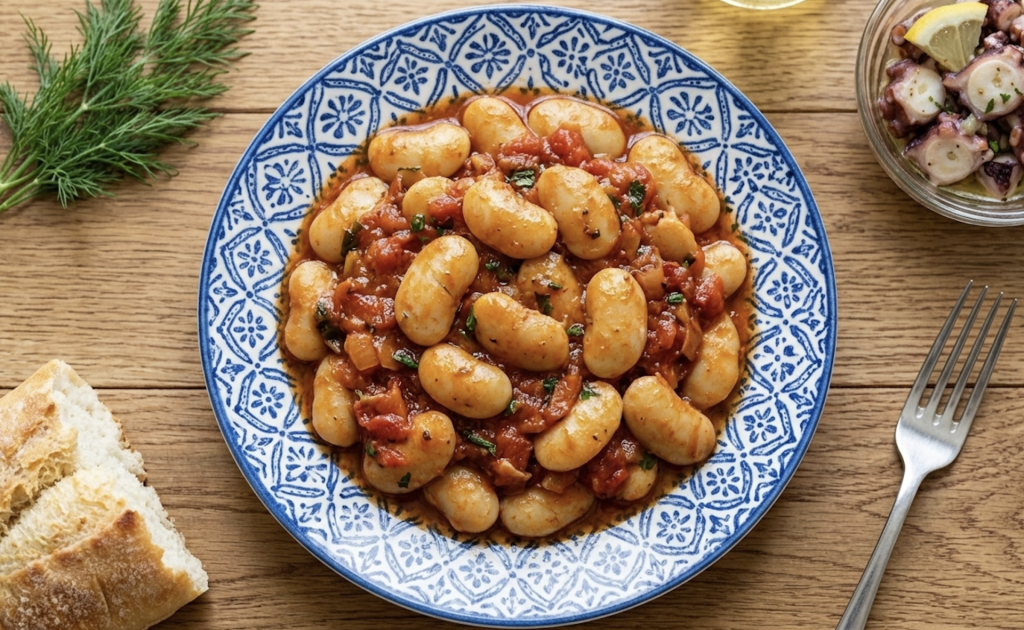
Paliria Giant Beans in Tomato Sauce (Gigantes) are a beloved fixture of the holiday. These large, buttery beans are slow-cooked in a rich tomato and onion sauce until they are perfectly tender.
Serving for Easter: Gigantes are traditionally served at room temperature or slightly warm. To elevate them for a festive gathering, garnish the dish with crumbled feta cheese and plenty of fresh chopped flat-leaf parsley. The acidity of the feta cuts through the richness of the tomato sauce, creating a perfectly balanced bite.
Chickpeas with Lemon & Cumin
This chickpea dish, including Paliria Chickpeas in Lemon & Cumin Dressing, adds a simple, flavorful option to your spread. The combination of lemon and cumin gives it a balanced taste that works well alongside a variety of dishes. Serve it with grilled items, fresh vegetables, or enjoy it on its own as part of a well-rounded mezze selection.
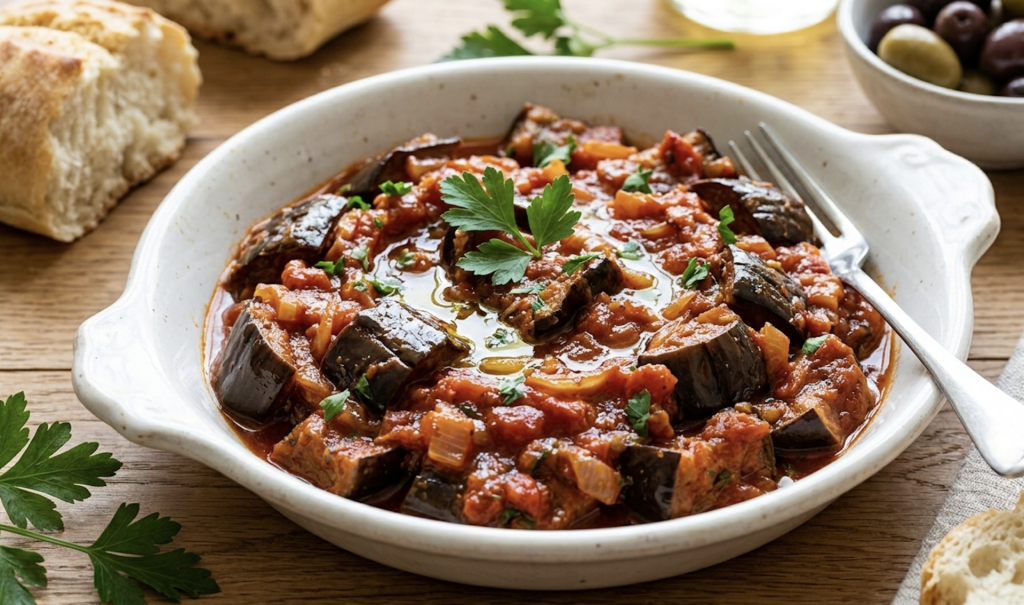
A Greek Easter table should be a visual celebration of color. Traditional vegetable dishes add a rustic, homemade feel that is essential for a truly authentic experience.
Paliria Greek Style Eggplants in Tomato Sauce bring an air of luxury to the meal. This dish features eggplants that have been slow-cooked until they reach a melt-in-your-mouth consistency. The deep, savory notes of the onions and tomatoes make this a favorite for guests looking for a sophisticated vegetable option.
Festive Tip: Serve these eggplants alongside a crusty loaf of tsoureki (traditional Greek Easter brioche) or simple sourdough. The bread is perfect for soaking up the rich, flavorful sauce.
Hosting a Greek Easter at home is as much about the environment as it is about the food. To create a Mediterranean-inspired atmosphere that brings loved ones together, follow these presentation steps:
Use a white linen tablecloth as your canvas. This allows the vibrant colors of the Paliria Giant Beans in tomato sauce and the Paliria Dolmas to pop.
Spring is the season of growth. Decorate your table with fresh herbs—mint, rosemary, and dill—rather than traditional floral arrangements. Not only do they look beautiful, but their fragrance will complement the herbal notes of the dishes you are serving.
Greek Easter is inherently communal. Instead of individual plating, serve everything family-style. Place large platters of Paliria Greek Style Eggplants in Tomato Sauce and bowls of Paliria Chickpeas in Lemon & Cumin Dressing in the center of the table, encouraging guests to help themselves and engage with one another.
During the busy Easter season, the secret to a successful host is knowing where to find quality that doesn’t require hours of labor. Paliria’s ready-to-eat range allows you to serve authentic, world-class Greek cuisine with confidence.
To complete your Easter experience, consider these traditional pairings:
Greek Easter is a reminder of the beauty of simplicity and the power of tradition. By incorporating these Mediterranean favorites—vine leaves, pulses, and roasted vegetables—into your festive table, you are doing more than just serving a meal; you are participating in a global heritage of joy and renewal.
This spring, let Paliria help you bring the authentic taste of a Greek Easter into your home. With the right ingredients, a few fresh herbs, and the company of loved ones, your Easter celebration will be a memorable reflection of Mediterranean hospitality.
Bring the tradition home. Explore the full range of authentic Greek delicacies at Paliria.com and prepare for a festive spring season filled with flavor.