Introduction: Redefining the Protein Narrative
For decades, the conversation around strength, muscle maintenance, and vitality has been dominated by a single category: animal protein. We have been conditioned to believe that a “complete” meal must center around a piece of meat. However, if we look at the longest-living populations on the planet—specifically those in the “Blue Zones” of the Mediterranean—we see a very different story. In these regions, the primary source of power isn’t found in a steakhouse; it is found in the soil.
Legumes, specifically chickpeas and beans, are the undisputed heavyweight champions of the mediterranean diet food list. As we move through March it is time to take a closer look at why these plant-based powerhouses are more than just a substitute for meat—they are a superior choice for long-term health. Understanding the science of bean nutrition and chickpea benefits is the key to unlocking consistent, high-level energy.
The Biological Superiority of Plant-Based Protein
When people ask, “is mediterranean food healthy?” they are often questioning whether plants can truly provide the same level of nourishment as animal products. The answer lies in the “package” that the protein comes in. When you eat animal protein, it often comes with saturated fat and dietary cholesterol. When you eat plant-based protein from legumes, it comes wrapped in fiber, antioxidants, and essential minerals.
This difference is crucial for metabolic health. The fiber found in beans and chickpeas slows down the digestion of protein, which in turn leads to a more gradual release of energy into the bloodstream. This prevents the insulin spikes that are often associated with weight gain and systemic inflammation. For most people, this means no mid-afternoon brain fog and a more stable mood throughout the work day.
The Mediterranean Miracle: Chickpea Benefits
Chickpeas, or revithia as they are known in Greece, are a cornerstone of greek food recipes. They are one of the most versatile ingredients in the Mediterranean pantry, but their nutritional profile is what truly sets them apart. Chickpeas are an excellent source of manganese, a mineral that acts as a cofactor for several enzymes essential for energy production and antioxidant defenses.
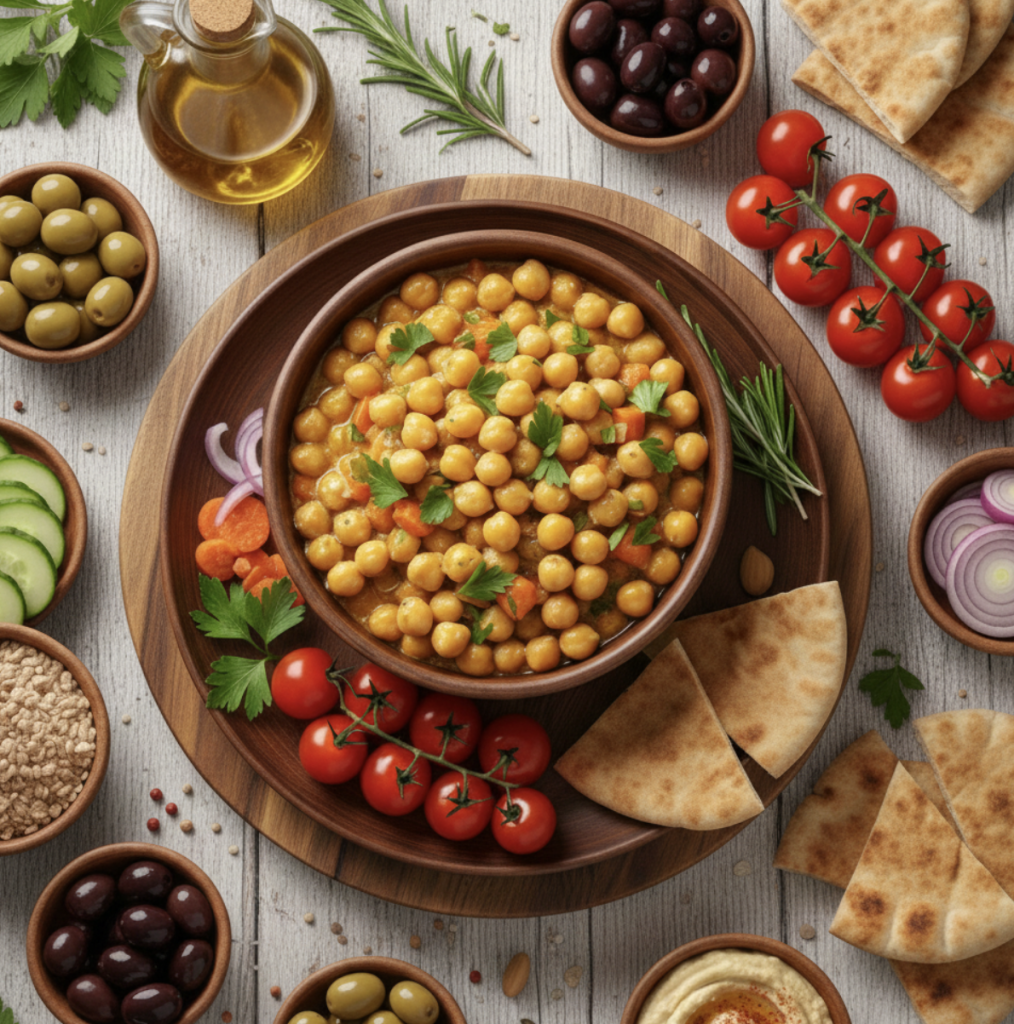
Furthermore, chickpeas are rich in folate and iron. For those following a vegetarian or vegan lifestyle, iron absorption can sometimes be a challenge. However, traditional Mediterranean preparation methods solve this naturally. Paliria Chickpeas in Lemon & Cumin Dressing are a perfect example. The vitamin C from the lemon juice significantly enhances the bioavailability of the plant-based iron in the chickpeas. Meanwhile, cumin isn’t just for flavor; it has been shown to stimulate the secretion of digestive enzymes, ensuring that you get the maximum nutritional value from every bite.
Product Highlight:Paliria Chickpeas in Lemon & Cumin Dressing
The Power of the Bean: Fiber, Heart Health, and Satiety
If chickpeas are the versatile queen of the Mediterranean, then giant beans (Gigantes) are the sturdy king. In the hierarchy of mediterranean diet foods, beans are prized for their ability to promote satiety—the feeling of being full and satisfied. This is largely due to their high resistant starch content, which resists digestion in the small intestine and instead travels to the large intestine to feed healthy gut bacteria.
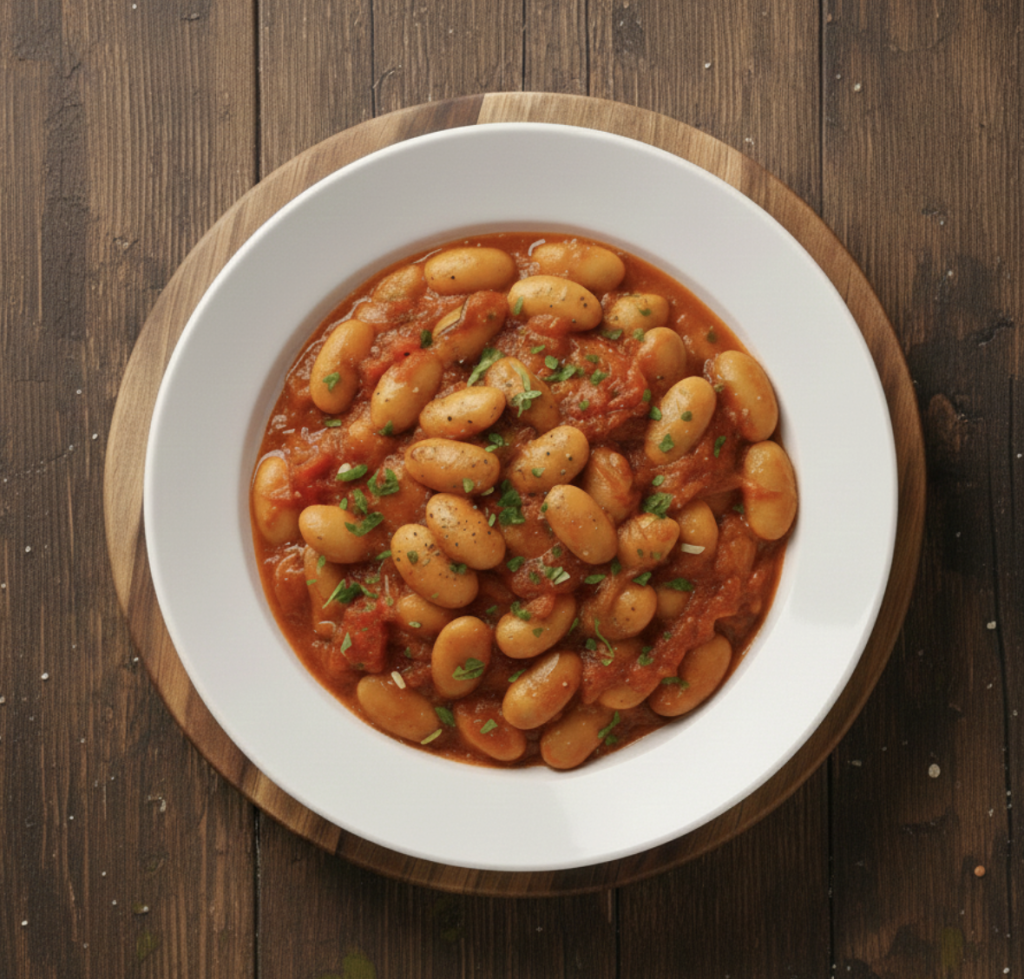
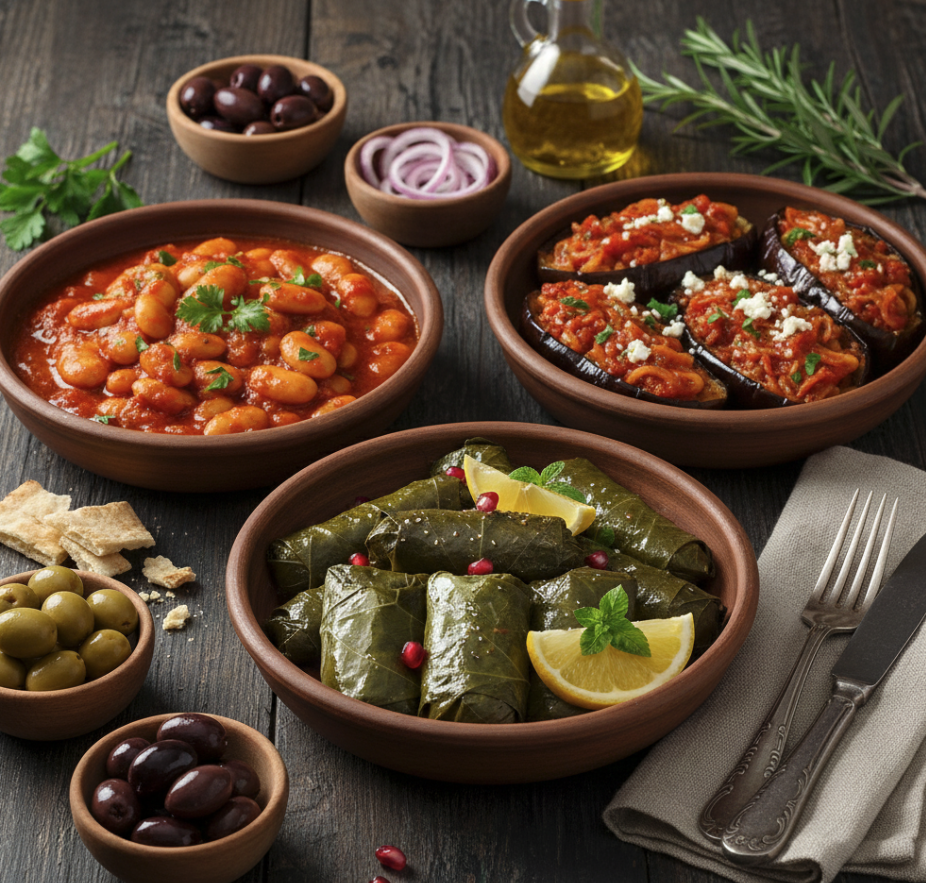
Research consistently shows that a diet high in beans can help lower LDL (bad) cholesterol and regulate blood pressure. This is a vital component of healthy mediterranean recipes. Paliria Giant Beans in Tomato Sauce offers a hearty, savory experience that mimics the texture of meat while providing 14 grams of protein and nearly 10 grams of fiber per serving. When you choose beans over processed meats, you are making a direct investment in the longevity of your cardiovascular system.
Product Highlight:Paliria Giant Beans in Tomato Sauce
Overcoming the “Incomplete Protein” Myth
One of the most persistent myths in nutrition is that plant proteins are “incomplete” and therefore inferior. While it is true that many legumes are low in one or two specific amino acids, the Mediterranean diet naturally overcomes this through “protein complementing.” In Greece, you rarely see beans served alone; they are almost always paired with a grain, a seed, or a leaf.
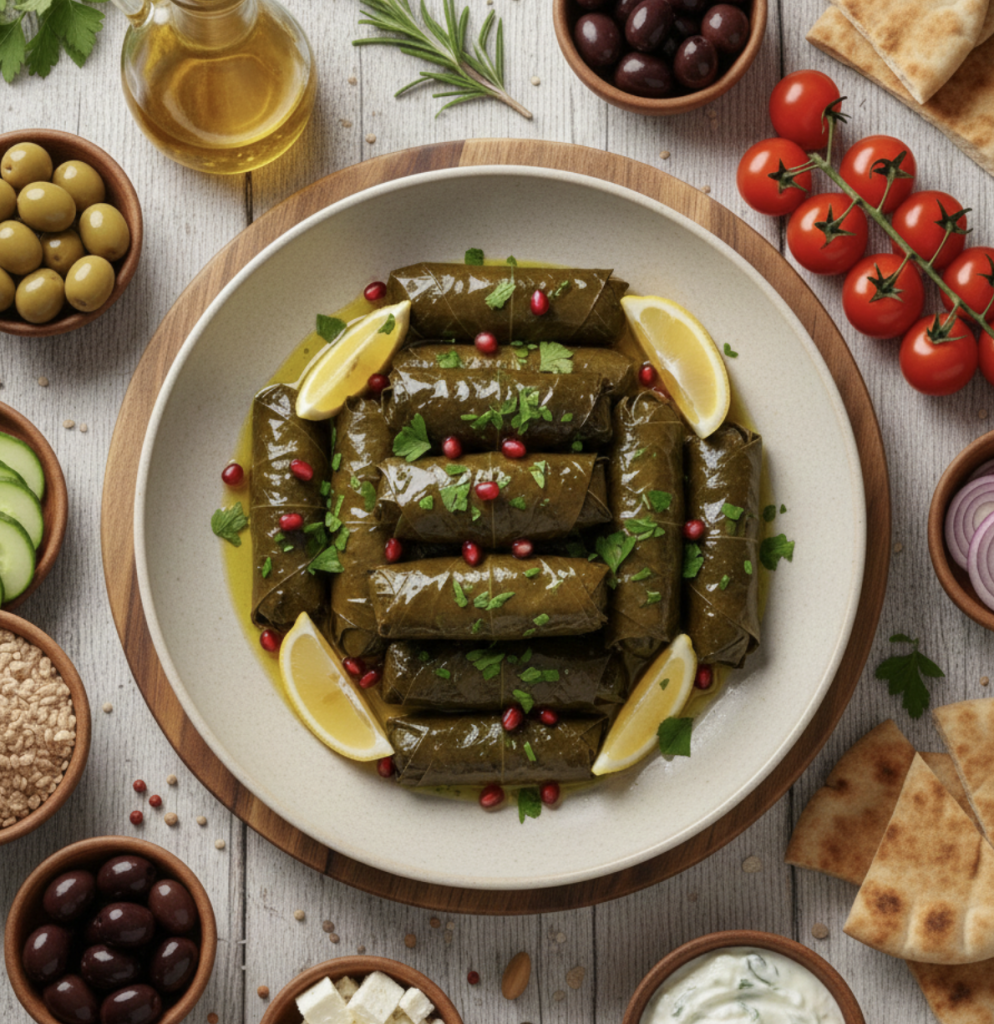
Paliria Dolmas (Stuffed Vine Leaves with Rice) are a masterclass in this nutritional synergy. The rice (grain) and the vine leaves (greens) work together to provide a full spectrum of amino acids. When you enjoy dolmas alongside a dish of chickpeas or beans, you are providing your body with a protein profile that is just as robust as any animal source, but with the added benefits of phytonutrients that meat simply cannot provide.
The Anti-Aging Secret: Legumes and Longevit
As we age, our bodies require more efficient fuel, the goal shifts from just “building” to “maintaining and protecting.” The antioxidants found in mediterranean food, particularly in the skins of beans and chickpeas, protect our cells from oxidative stress. This is the process that leads to visible aging and the degradation of cognitive function.
By consistently including Paliria’s plant-based meals in your routine, you are engaging in a daily form of anti-aging therapy. The lycopene in the tomato sauce of the Giant Beans and the flavonoids in the Stuffed Vine Leaves work together to shield your DNA from damage. This isn’t a “bio-hack” or a temporary supplement; it is the cumulative effect of a diet that has supported human health for thousands of years.
Practical Integration: How to Eat More Pulses
Understanding bean nutrition is one thing; making it part of your life is another. The beauty of the Mediterranean approach is that it is not about “perfection”—it is about “presence.” You don’t have to become a vegan to reap the rewards of plant-based protein. You simply have to ensure that beans and chickpeas have a permanent seat at your table.
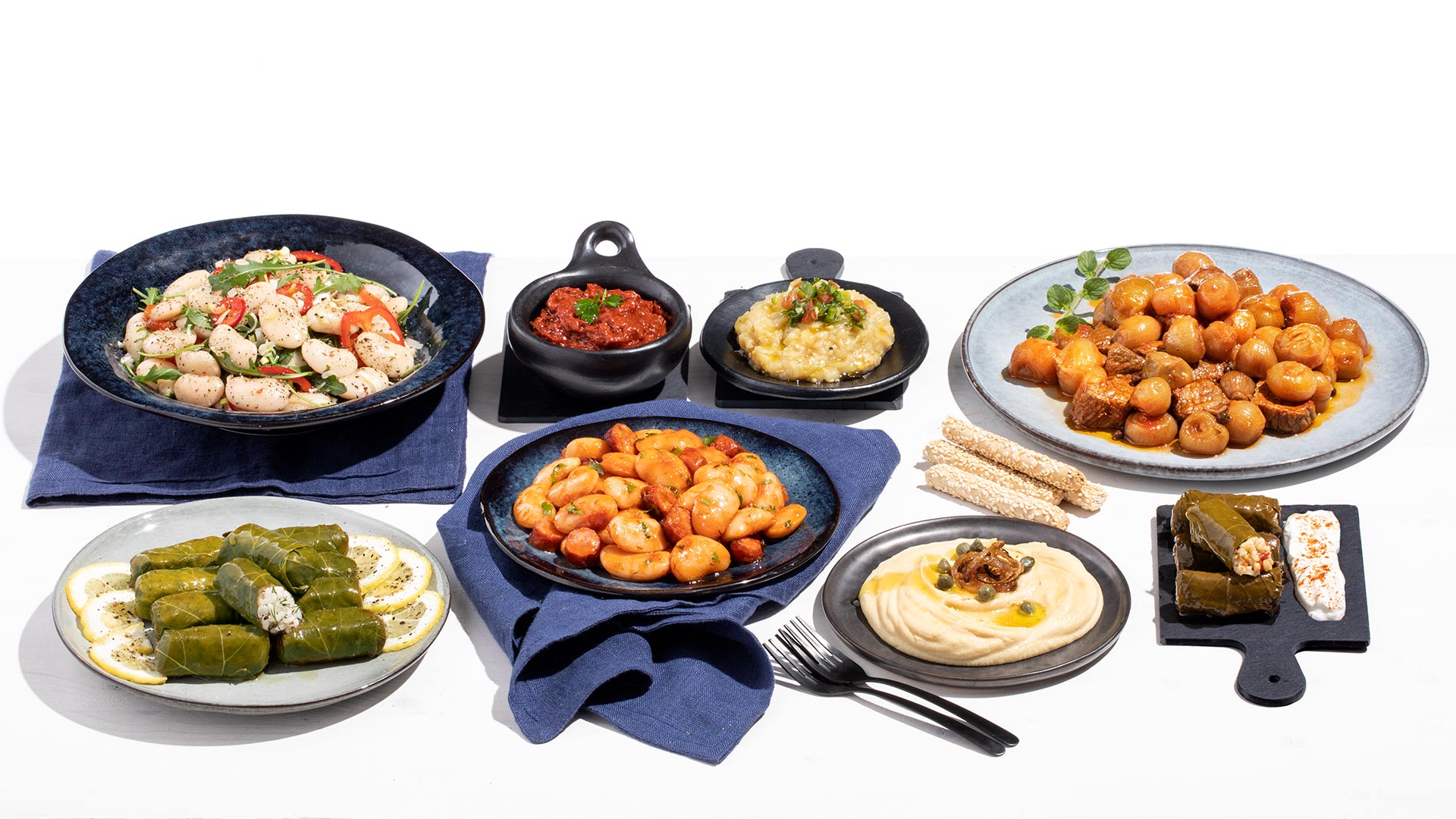
One of the easiest ways to start is by swapping two meat-based dinners a week with a “Bean Feast.” Serve Paliria Greek Style Eggplants alongside Paliria Giant Beans. This combination provides a rich, complex flavor profile that feels like a celebratory meal rather than a dietary restriction. For lunch, skip the deli meat sandwich—which is often high in sodium and nitrates—and reach for a tin of Paliria Chickpeas. These small swaps can result in a significant reduction in your saturated fat intake over the course of a month.
The Seasonal Advantage of March
Why focus on plant protein in March? Beyond the Lenten traditions of the Mediterranean, spring is the season of “lightness.” As the weather warms, our bodies naturally move away from the heavy, calorie-dense foods of winter. Plant proteins are inherently lighter on the digestive system. They provide the energy needed for increased spring activity without the heavy “weighted-down” feeling that often follows a meat-heavy meal. This makes March the perfect time to explore the vast array of mediterranean vegetarian recipes available through Paliria.
Conclusion: A Heritage of Health
The Mediterranean diet is not a list of rules; it is a heritage of health. When we choose chickpeas and beans, we are participating in a tradition that values quality over quantity and nourishment over convenience. Is mediterranean food healthy? It is more than healthy—it is a sustainable, joyful way of living that honors the body’s needs.
By choosing Paliria, you are choosing authenticity. You are choosing plant-based proteins that have been prepared with the same care and ingredients as they would be in a Greek village kitchen. This March, let the power of the bean and the miracle of the chickpea transform your energy, your health, and your perspective on what “real” protein looks like. Reclaim your vitality with the most ancient and effective nutritional heroes on the planet.