Introduction: The Intersection of Tradition and Modern Health
March is a month of profound transition. As spring emerges, many of us feel an instinctive pull toward renewal. Closets are cleaned. Goals are revisited. Energy slowly begins to return. In the Mediterranean—particularly in Greece—this desire for reset is not simply emotional; it is cultural.
March marks the beginning of Great Lent, or Saracosti. While traditionally a period of spiritual reflection and preparation leading up to Easter, the Lenten fast is also a nutritional masterpiece. Long before the term “plant-based” became a global movement, Greek households were practicing it seasonally, intentionally, and joyfully.
For the modern individual, “Meatless March” is more than a trendy wellness challenge. It is an opportunity for biological recalibration. By leaning into vegan dishes and Mediterranean vegetarian recipes, we align our physiology with the natural rhythm of the seasons. The heavier foods of winter give way to lighter, fiber-rich, plant-forward meals that support digestion, clarity, and sustainable energy.
But an important question remains: Is Mediterranean food healthy enough to sustain a modern day lifestyle without animal protein?
The answer lies in centuries of lived experience at the Greek table—where nourishment, flavor, and longevity coexist seamlessly.
The Greek Lenten tradition may be one of the oldest structured plant-based dietary patterns in the world. For forty days, meat and dairy are removed, shifting the focus toward legumes, grains, vegetables, herbs, nuts, and olive oil.
Crucially, this is not deprivation.
It is abundance redirected.
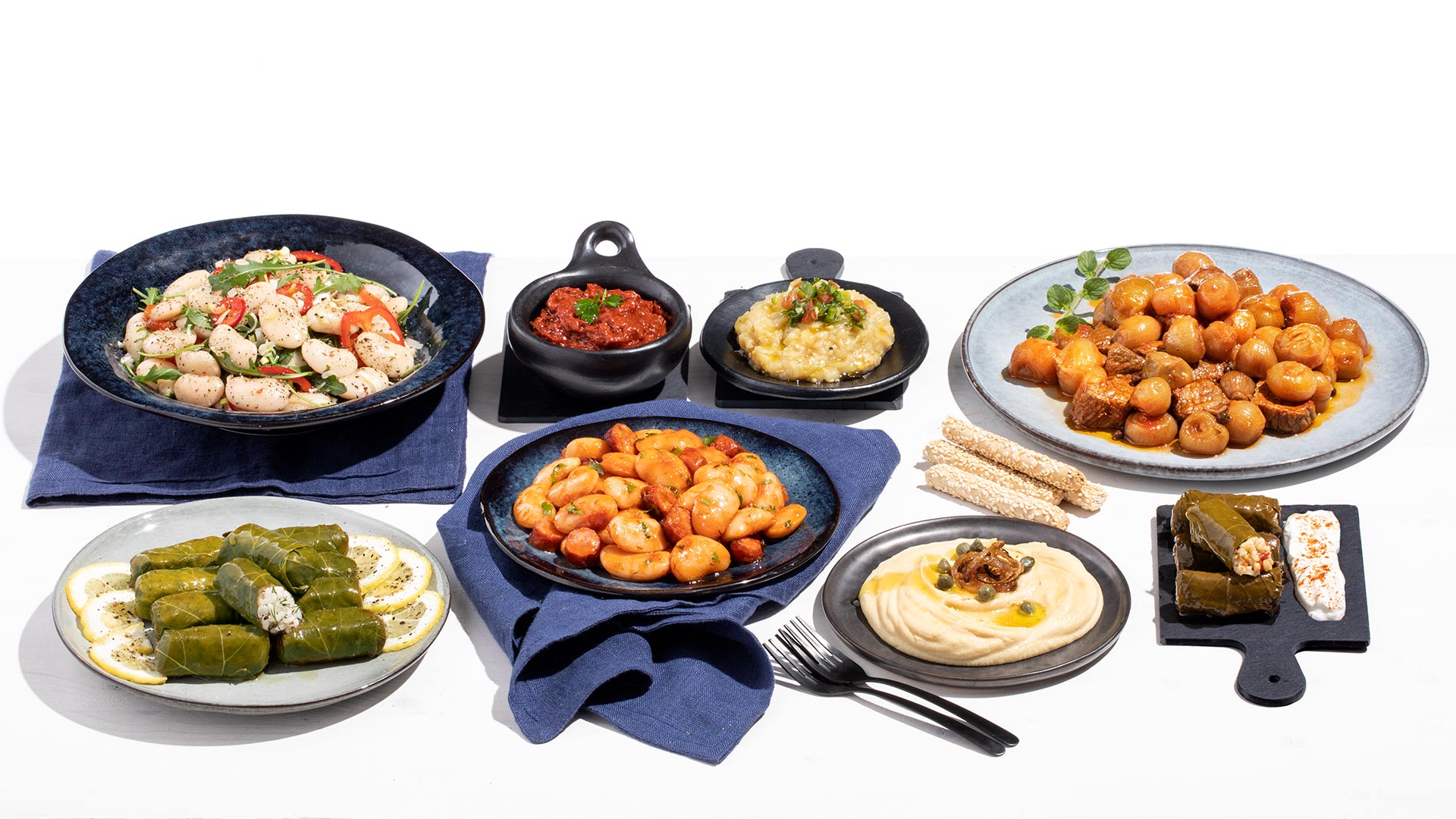
In traditional Greek homes, legumes are not afterthoughts. They are centerpieces. Giant beans simmered slowly with tomatoes and herbs. Chickpeas stewed with onions and olive oil. Lentils enriched with bay leaves and garlic. These dishes are hearty, comforting, and deeply satisfying.
Olive oil plays a central role during Saracosti. Far from being avoided, it is embraced. Extra virgin olive oil contains powerful polyphenols—antioxidant compounds linked to reduced inflammation and cardiovascular protection. It provides satiety and sustained energy, ensuring that even a fully plant-based meal feels substantial.
Seasonal greens, known as horta, also dominate the Lenten table. These wild greens are rich in Vitamin K, iron, and chlorophyll, acting as natural blood cleansers after winter’s heavier eating patterns.
This centuries-old blueprint reveals something profound: a properly structured plant-based Mediterranean diet does not compromise strength or energy. It enhances them.
As we age, over time, our bodies become more sensitive to chronic inflammation. Processed meats, excess saturated fats, and refined sugars may have felt manageable in our early 20s. But over time, the cumulative effect shows up as fatigue, brain fog, bloating, and disrupted sleep.
The “winter slump” many experience in late February and early March is often nutritional at its core.
Plant-based diet benefits during this transitional month include:
The antioxidants found in tomatoes and herbs help neutralize free radicals responsible for cellular aging. The fiber in Paliria Giant Beans functions as a prebiotic, feeding beneficial gut bacteria. A healthy microbiome directly influences mental clarity, immune strength, and even mood regulation.
For individuals juggling demanding schedules, this stability is invaluable. The complex carbohydrates in pulses release energy slowly, eliminating the sharp crash that follows a carb-heavy, processed lunch.
The result? Sustainable focus without dependence on caffeine or sugar.
One of the most common concerns surrounding meatless eating is protein sufficiency. Will you get enough? Will muscle mass decline? Will energy suffer?
The Mediterranean answer is emphatically no.
Plant-based proteins in the Mediterranean pattern are consumed in whole-food form—beans, chickpeas, lentils, whole grains. These foods provide not just protein, but fiber, iron, magnesium, potassium, and B-vitamins.
Unlike isolated animal proteins, they come packaged with protective phytonutrients that support long-term cardiovascular and metabolic health.
This is one reason the Mediterranean diet is consistently ranked among the top global dietary patterns by health experts. It is not a short-term detox or a restrictive cleanse. It is a sustainable system for aging gracefully.
Longevity in Mediterranean regions is not accidental. It is dietary architecture supported by tradition.
The modern challenge is not knowledge—it is time.
Few people have hours to soak dried beans or prepare elaborate vegetable stews during the week. This is where Paliria bridges the gap between authenticity and convenience.
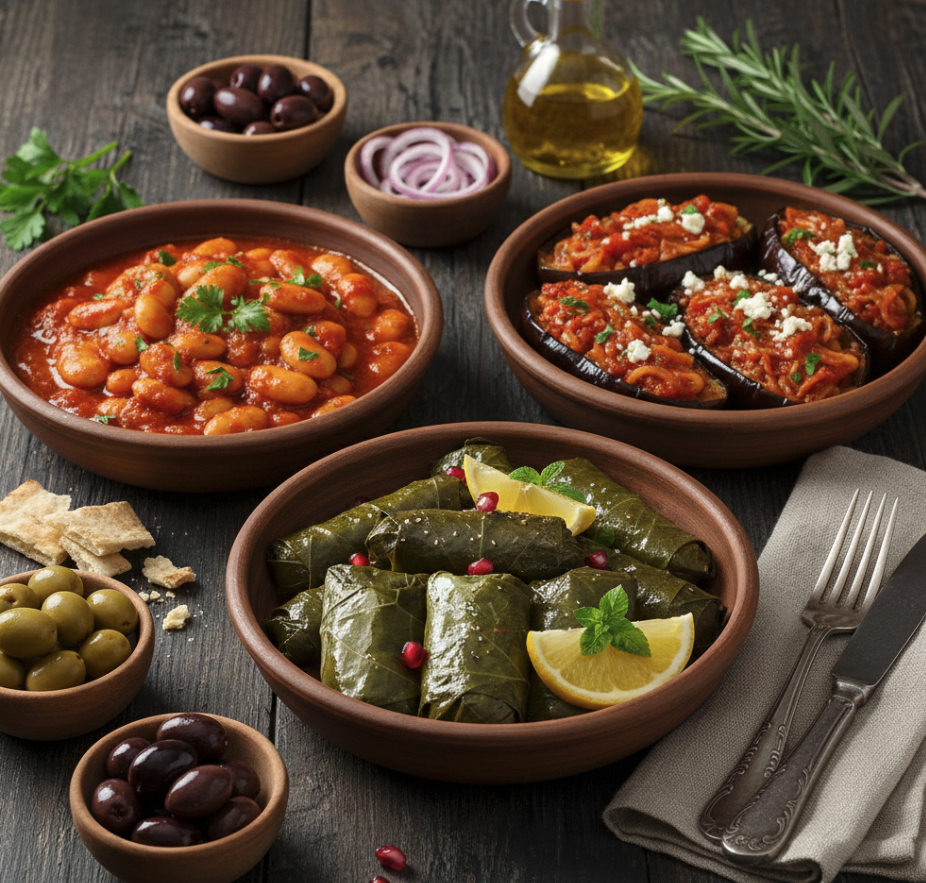
Paliria Dolmas (Stuffed Vine Leaves with Rice) are quintessential Lenten fare. Wrapped by hand and filled with herbed rice, they provide clean carbohydrates for steady energy. Naturally vegan and shelf-stable, they are ideal for convenience meals to incorporate into a busy lifestyle.
As Mediterranean diet snacks, they offer a rare combination of portability and nutrient density.
For those who miss the heartiness of meat-based stews, Paliria Greek Style Eggplants provide depth and satisfaction. Slow-cooked in tomato sauce, eggplants develop a buttery texture that feels indulgent while remaining low in calories.
Eggplants contain nasunin, an antioxidant known to protect brain cell membranes. This makes them not only comforting—but cognitively supportive.
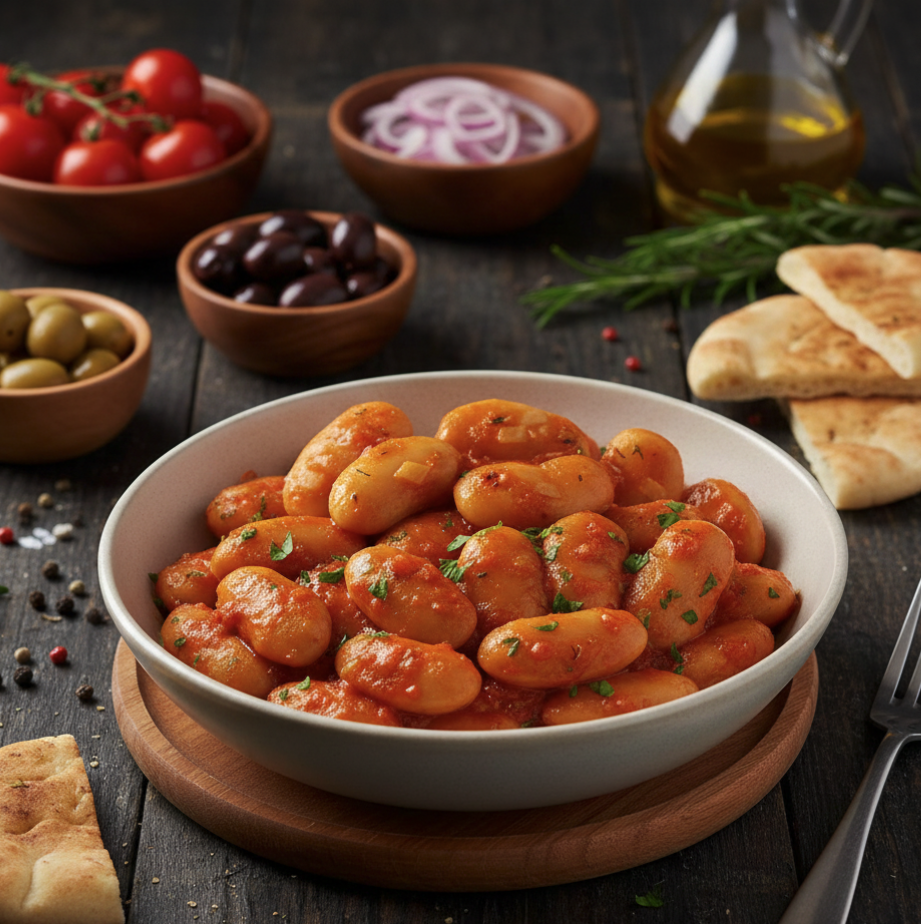
Paliria Giant Beans in Tomato Sauce are perhaps the ultimate Meatless March staple. Large, creamy, and deeply satisfying, they provide plant-based protein without saturated fat.
When paired with whole grains or crusty whole-grain bread, they form a complete protein combination capable of sustaining even the most demanding day.
Adopting a new way of eating becomes easier when structured around simplicity. Consider a three-pillar daily approach.
Whole-grain toast with avocado, olive oil, and lemon offers fiber and monounsaturated fats to stabilize blood sugar. Alternatively, oats topped with walnuts and cinnamon provide warmth and heart-healthy benefits.
Open a tin of Paliria Chickpeas in Lemon & Cumin. Toss with greens, or enjoy directly with sliced cucumber. A meze plate featuring dolmas, olives, and raw vegetables provides variety and texture without preparation stress.
Rotate through Giant Beans and Greek Style Eggplants. Pair with quinoa, bulgur, or brown rice. The combination ensures a complete amino acid profile while maintaining digestive lightness.
This rhythm removes decision fatigue and fosters consistency.
Psychologically, the idea of removing meat can feel restrictive. But the Mediterranean philosophy emphasizes abundance.
Instead of focusing on elimination, focus on expansion.
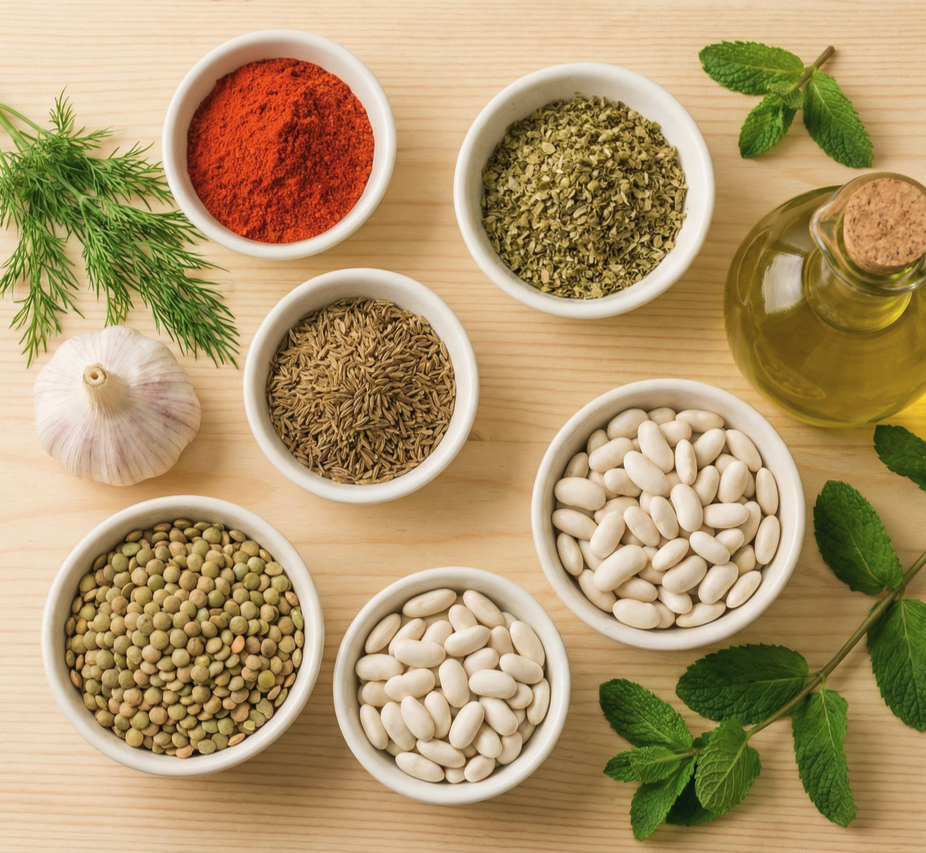
Add herbs generously—dill, parsley, mint, oregano. These herbs are nutrient-dense and elevate flavor naturally. Add texture through walnuts, seeds, and high-quality olive oil. Add variety by alternating between chickpeas, beans, lentils, eggplants, and dolmas.
When meals are layered, aromatic, and satisfying, the absence of meat becomes irrelevant.
Flavor eliminates longing.
One of the most overlooked aspects of the Mediterranean lifestyle is social connection.
Meals are rarely solitary. They are shared.
Hosting a small Lenten meze night with friends—featuring dolmas, gigante beans, olives, and vegetable dishes—does more than nourish the body. It reduces cortisol levels, strengthens relationships, and reinforces positive habits.
Eating slowly and socially enhances digestion and mindfulness. It shifts meals from transactional to intentional.
This holistic view of nourishment—food, connection, seasonality—is what distinguishes the Mediterranean approach from trend-based dieting.
While Meatless March provides a structured entry point, the goal is not temporary adherence. The goal is perspective.
By the end of the month, you may notice:
At that point, the question is no longer “Can I sustain this?” but rather “Why would I go back?”
Even if meat re-enters occasionally, the foundation can remain plant-forward.
That foundation is where longevity lives.
Greek food is not simply a collection of ingredients. It is a seasonal conversation between the earth and the body.
March invites reset. Saracosti offers structure. The Mediterranean diet provides the science. And Paliria delivers accessibility.
Whether you are observing religious tradition or simply seeking plant-based diet benefits, this is an opportunity to realign with what your body truly needs: fiber, antioxidants, healthy fats, and steady energy.
Stock your pantry with plant-based staples. Simplify your routine. Embrace the flavors of the Mediterranean.
By the time spring is in full bloom, you will not feel restricted. You will feel renewed.
Are you ready to embrace Meatless March—not as a challenge, but as a lifestyle evolution?
Let the season guide you. Let tradition support you. Let the Mediterranean lead the way to a stronger, clearer, more vibrant version of yourself.