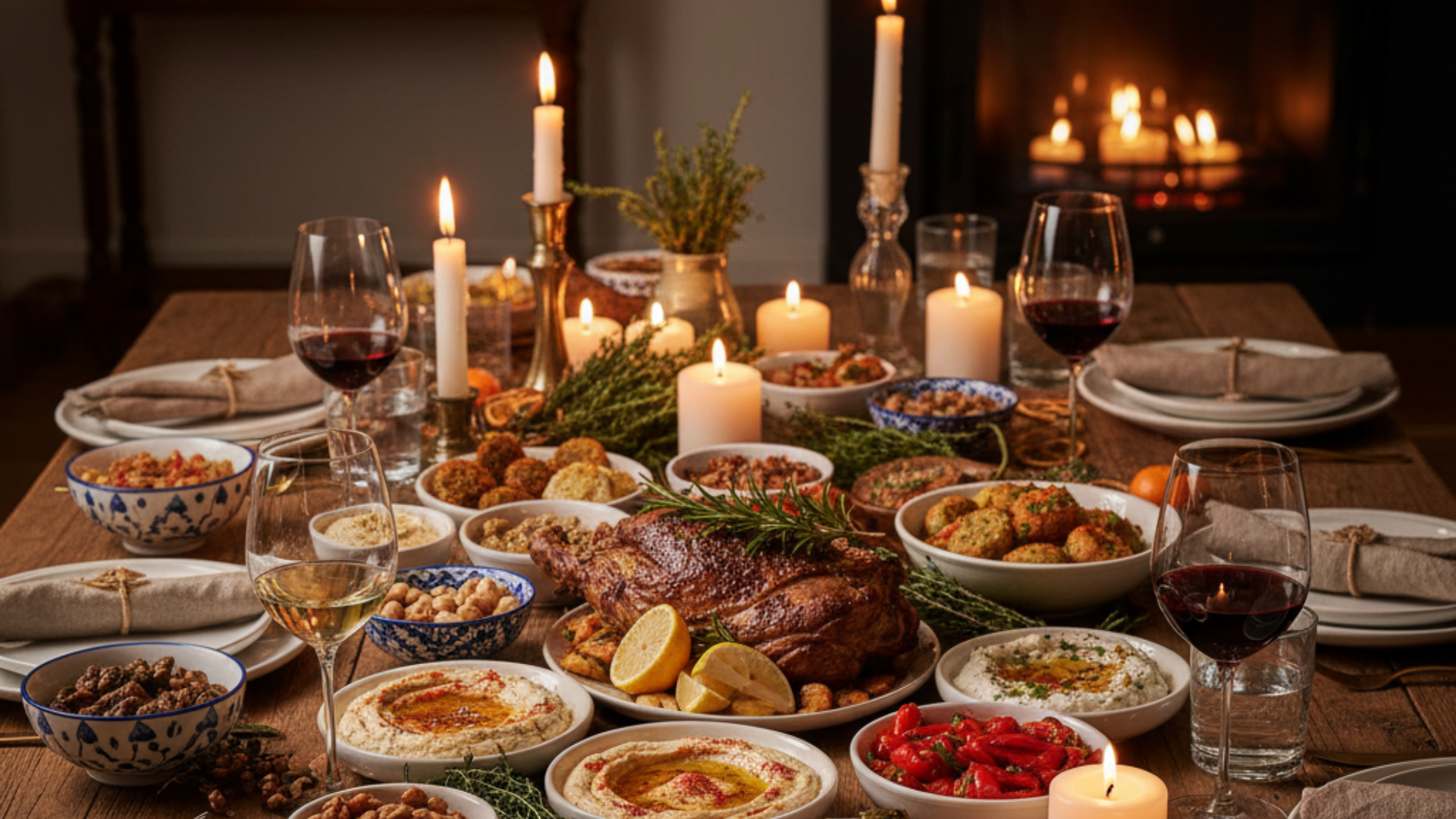
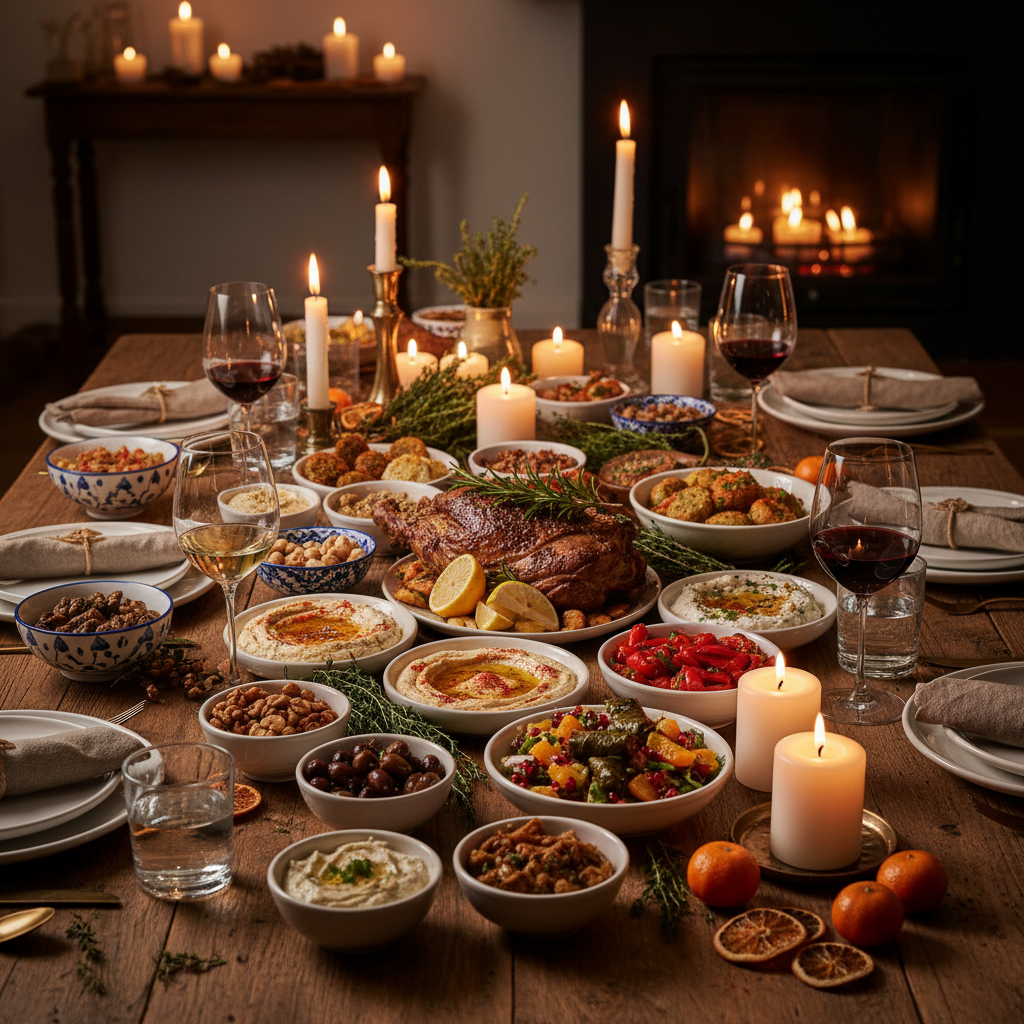
In Greece, food is rarely served in isolation. Meals are shared, plates are passed, and the table becomes the center of conversation, connection, and celebration. At the heart of this tradition is mezze—a collection of small dishes meant to be enjoyed slowly and together.
Mezze is not simply an appetizer course. It is a style of eating that reflects the Greek philosophy of hospitality, known as philoxenia—the love of welcoming others. Whether served during the holidays, at a casual weekend gathering, or as a weeknight meal, mezze encourages people to linger, talk, and savor.
What makes mezze especially appealing is its simplicity. A beautiful, abundant spread does not require complicated cooking or hours of preparation. With thoughtfully prepared dishes like
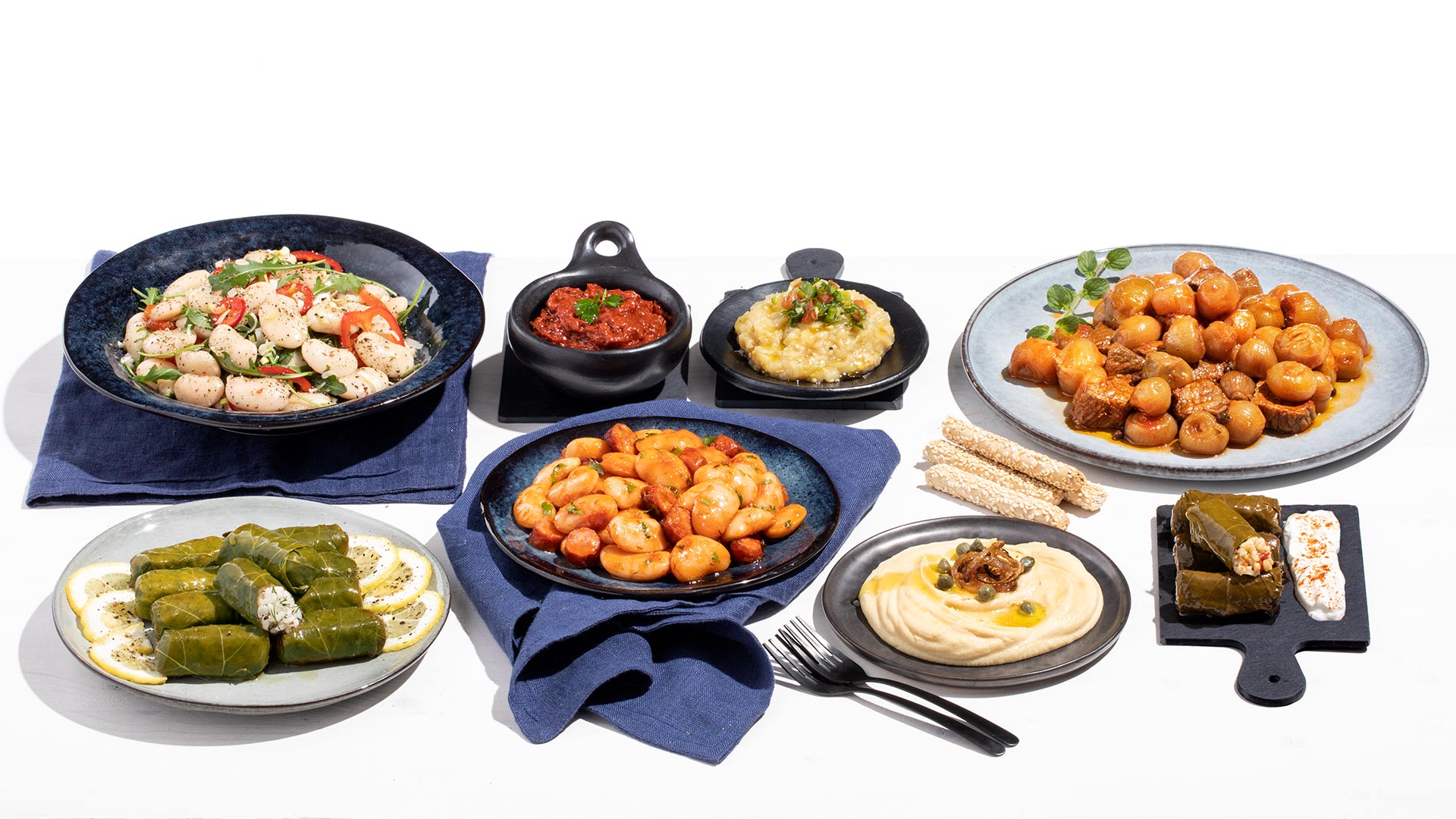
Paliria Stuffed Vine Leaves,
Paliria Sweet and Spicy Dolmas,
Paliria Fava Spread,
Paliria Greek Originals Chickpeas with Cumin & Lemon Dressing, and
Paliria Greek Style Eggplants,
you can build a mezze table that feels authentic, generous, and effortlessly Mediterranean.
This guide explores how mezze fits into Greek culture, how to build a balanced spread, and how to use Paliria’s ready-to-serve dishes to host with confidence—especially during the holiday season and winter months.
Mezze (or mezedes) refers to small plates served before or instead of a main meal. But in Greek culture, mezze is not defined by portion size—it is defined by intention.
A mezze table is designed to:
– Encourage sharing rather than individual servings
– Offer variety instead of a single focal dish
– Balance flavors, textures, and temperatures
– Create a relaxed, social atmosphere
Unlike formal meals with courses, mezze unfolds gradually. Dishes may appear all at once or in waves. Guests return to the table multiple times. Eating becomes a conversation rather than a schedule.
This makes mezze particularly well suited for holidays, open-house gatherings, and winter entertaining, when warmth and connection matter more than precision.
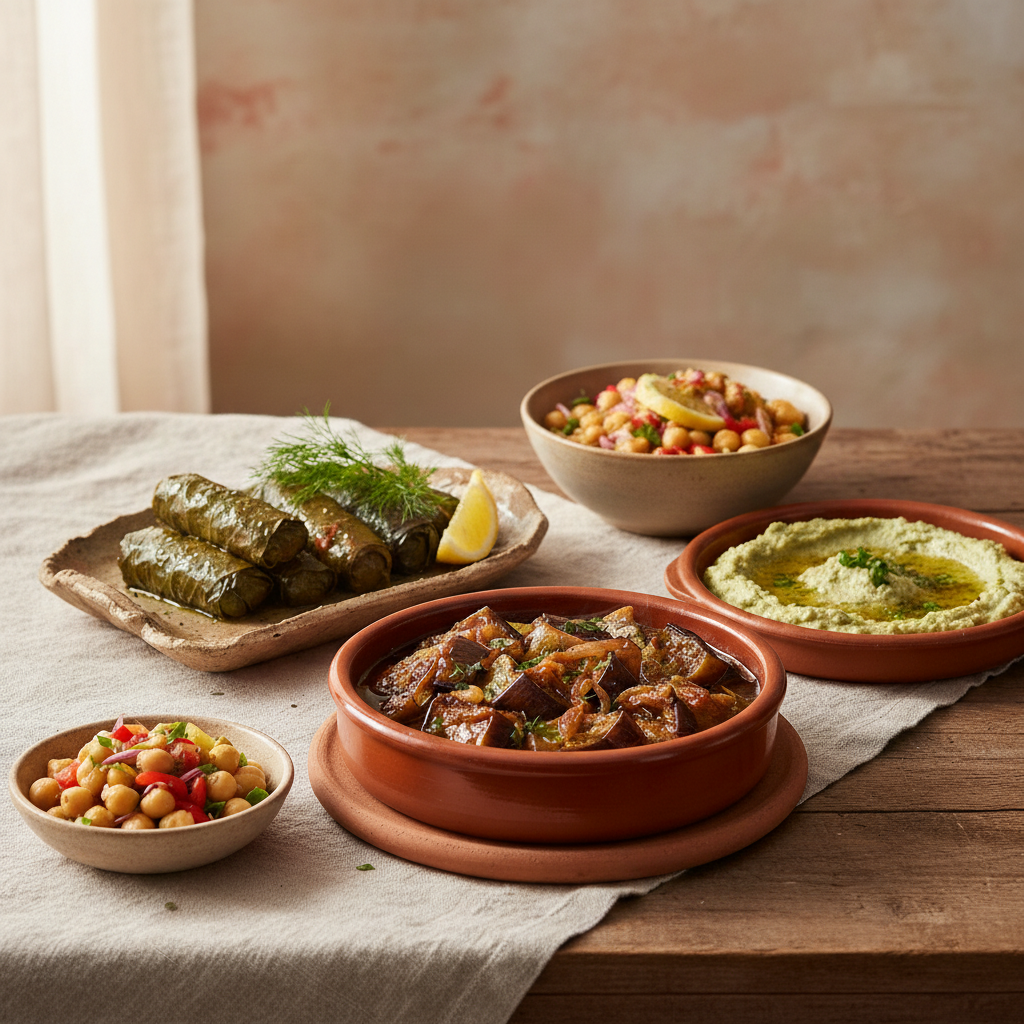
A successful mezze table is built on contrast. Each dish plays a role, and together they create harmony. While there are endless variations, Greek mezze spreads often include the following elements.
1. Stuffed and Herb-Forward Dishes
Stuffed vine leaves are among the most iconic mezze items in Greece. Tender grape leaves wrapped around rice, herbs, and lemon offer freshness and acidity that balance richer dishes.
Paliria Stuffed Vine Leaves are a classic choice, delicately flavored with dill and mint.
Paliria Sweet and Spicy Dolmas add a modern contrast with a gentle heat that brings depth to the table.
These are typically served at room temperature, making them ideal for hosting.
2. Creamy, Comforting Spreads
Greek mezze often includes a smooth, grounding element that adds richness without heaviness.
Paliria Fava Spread—a traditional yellow split pea purée—is a cornerstone of Greek island cuisine. Silky and satisfying, it pairs beautifully with bread, vegetables, or other mezze items.
Creamy spreads help anchor the table and provide contrast to citrus-forward and herbaceous dishes.
3. Bright, Citrus-Driven Dishes
Brightness is essential in mezze. Lemon, vinegar, herbs, and olive oil keep the spread lively and balanced.
Paliria Greek Originals Chickpeas with Cumin & Lemon Dressing bring zesty acidity and gentle spice, making them ideal as a salad or stand-alone mezze bowl.
These types of dishes refresh the palate and prevent the spread from feeling heavy.
4. Warm, Slow-Cooked Vegetables
While many mezze items are served cold or at room temperature, a few warm dishes add comfort and seasonal depth—especially during winter.
Paliria Greek Style Eggplants are slow-cooked with onion and tomato, resulting in a dish that feels hearty, aromatic, and deeply satisfying.
Warm dishes help transition mezze from a snack-style spread into a complete meal.
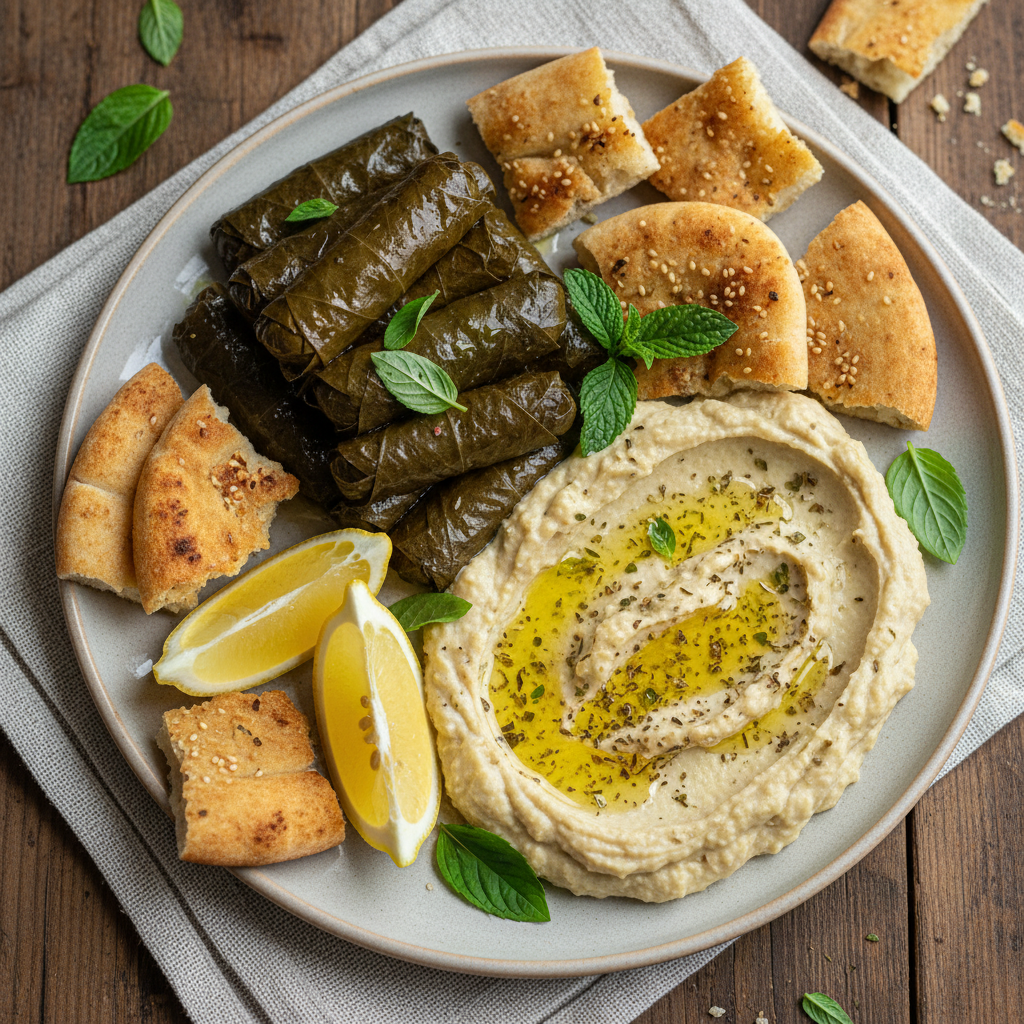
Creating a mezze table is less about strict rules and more about flow. Here’s how to build one that feels abundant but not overwhelming.
Step 1: Start with a Foundation
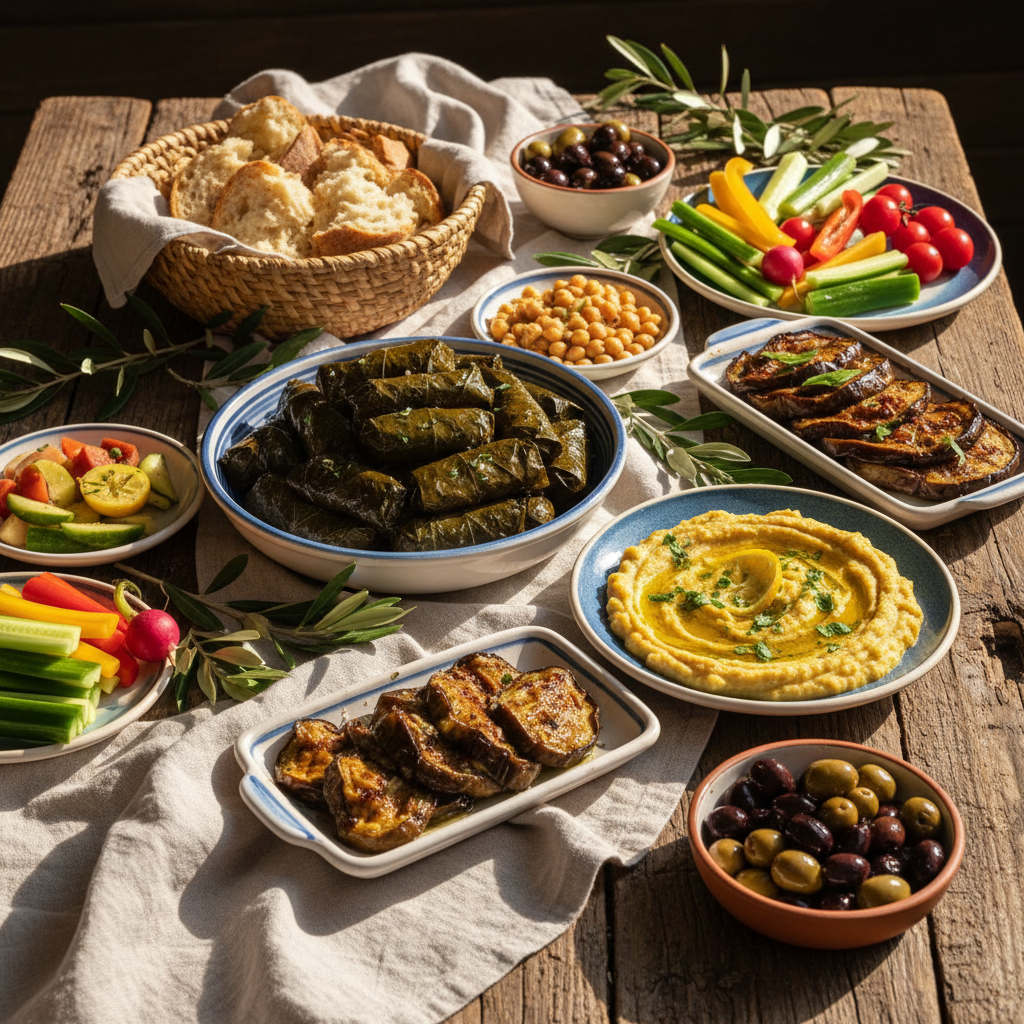
Begin by placing your core mezze items in the center of the table:
Stuffed vine leaves
Fava spread
Chickpeas
Eggplants
Use ceramic bowls, shallow plates, or wooden boards to keep the presentation natural and unfussy.
Step 2: Add Simple Supporting Elements
Enhance the spread with easy additions:
Fresh vegetables (cucumbers, tomatoes, radishes)
Olives
Bread or pita
Lemon wedges
Fresh herbs
These elements complement the main dishes without requiring extra cooking.
Step 3: Think in Textures and Temperatures
Balance the table by mixing:
Creamy and firm textures
Warm and cool dishes
Rich and bright flavors
This variety keeps guests engaged and encourages grazing.
Step 4: Let It Feel Generous
In Greek culture, abundance signals hospitality. It’s better to offer many small dishes than a few large ones. Mezze should feel welcoming, not curated.
Mezze is particularly effective for holiday entertaining for several reasons.
It Reduces Pressure
Because everything is served family-style, there is no need to time courses or plate individual servings.
It Supports Dietary Flexibility
Many mezze dishes are naturally vegetarian or vegan, making them inclusive for guests with different preferences.
It Encourages Conversation
Guests can eat, pause, and return to the table without formality.
It Can Be Prepared in Advance
Most mezze items taste just as good—if not better—when prepared ahead of time.
Here is a complete mezze menu that feels festive and satisfying without extensive preparation.
Stuffed Vine Leaves:
Paliria Stuffed Vine Leaves
Spiced Variation:
Paliria Sweet and Spicy Dolmas
Creamy Spread:
Paliria Fava Spread
Bright Salad:
Paliria Greek Originals Chickpeas with Cumin & Lemon Dressing
Warm Vegetable Dish:
Paliria Greek Style Eggplants
This combination offers balance, color, and depth—perfect for winter gatherings.
Mezze embodies many principles of the Mediterranean lifestyle:
– Mindful eating
– Slow pacing
– Social connection
– Plant-forward nourishment
– Pleasure without excess
Rather than focusing on portion control or rigid structure, mezze encourages intuitive eating—choosing what feels satisfying in the moment.
This makes it especially appealing in January, when many people seek balance without deprivation.
Is mezze meant to be an appetizer or a full meal?
In Greek culture, mezze often is the meal.
How many dishes should I serve?
For a gathering, aim for 6–10 small plates depending on the number of guests.
Do mezze dishes need to be heated?
Some, like eggplants, are best warmed. Others are served at room temperature.
Can mezze be casual?
Absolutely. Mezze is meant to feel relaxed and welcoming, not formal.
A mezze table is an invitation—to slow down, to share, and to connect. It reflects a Mediterranean way of life where food is woven into relationships and rituals rather than rushed or controlled.
With Paliria’s ready-to-serve Greek dishes, hosting mezze becomes accessible to anyone. Whether for a holiday gathering, a winter evening with friends, or a simple family meal, mezze offers a way to bring people together around authentic flavor and timeless tradition.